
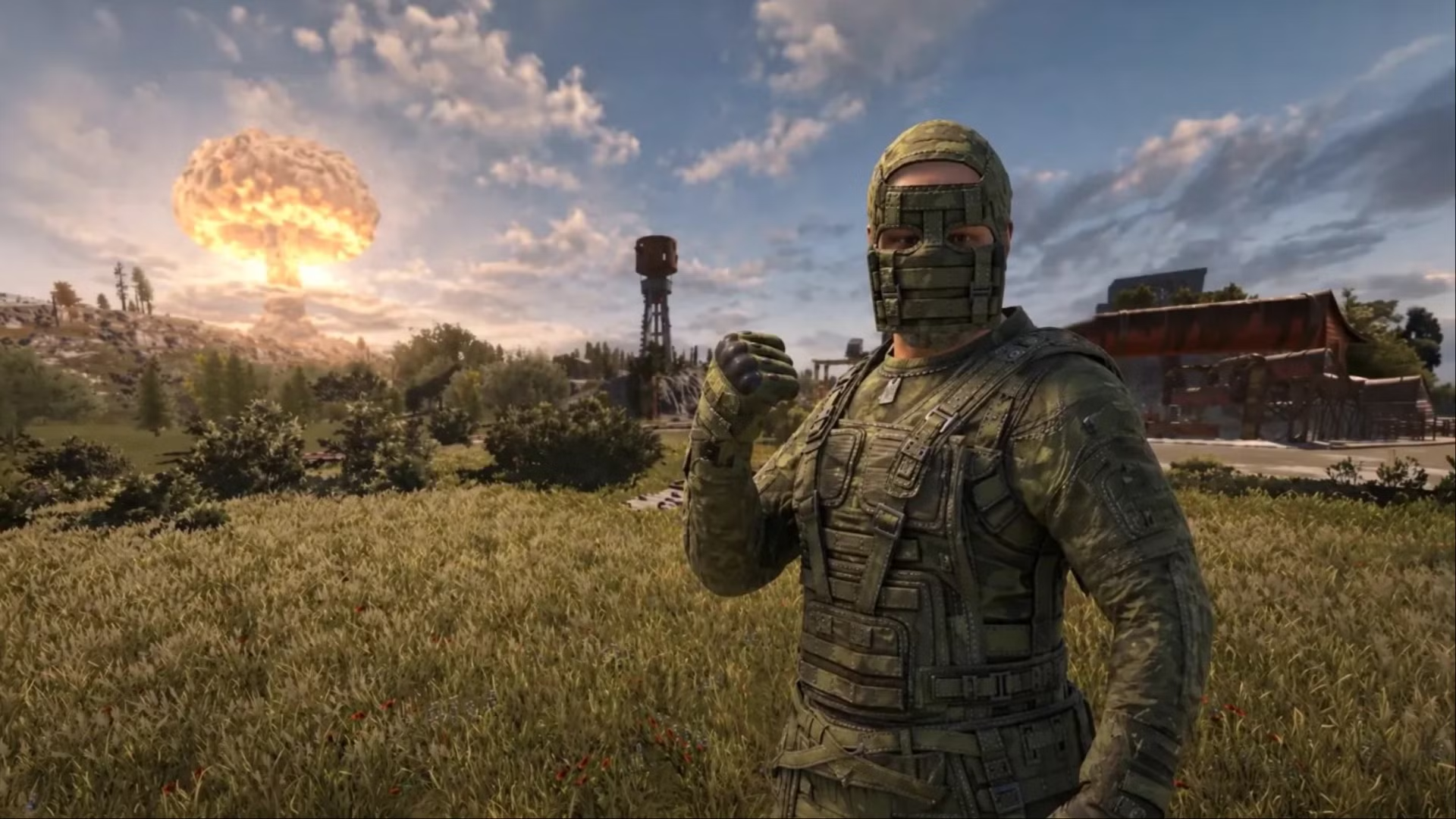
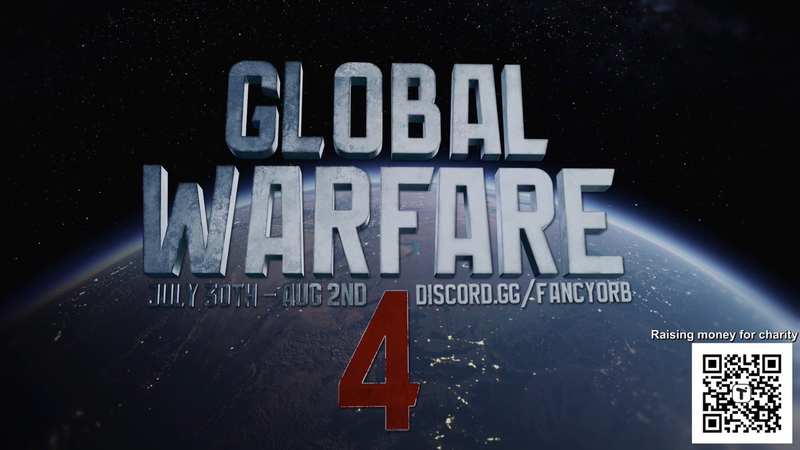
Facepunch’s Rust Global Warfare 4 event is real, and the trailer makes it look less like a scheduled update and more like a weeklong multiplayer movie where everyone is also trying to murder each other. The event runs from July 30 to Aug. 2, and the centerpiece is an Earth-sized recreation where streamers and content creators roleplay as major world regions while the player base watches the chaos unfold.
That is the point of Global Warfare: it is part PvP, part roleplay, part live-streamed geopolitical theater. The latest trailer gives the clearest look yet at FancyOrb’s plan for the fourth edition, including a map full of recognizable real-world locations and enough obvious tension to make diplomacy look like the least reliable strategy on the server.
Global Warfare 4 turns the whole planet into a PvP map
Global Warfare 4 takes place on a recreation of Earth inside Rust, with participants representing specific regions of the world. They can pursue their goals through diplomacy, manipulation, or open violence, which is the exact kind of setup that makes Rust feel less like a survival game and more like a disaster documentary with better base-building tools.
The event runs from July 30 through Aug. 2, and FancyOrb will stream an overview from Twitch so viewers can follow the bigger picture instead of getting lost in a single streamer’s corner of the map. Content creators can also invite their own audiences, especially if they enable Twitch Drops.
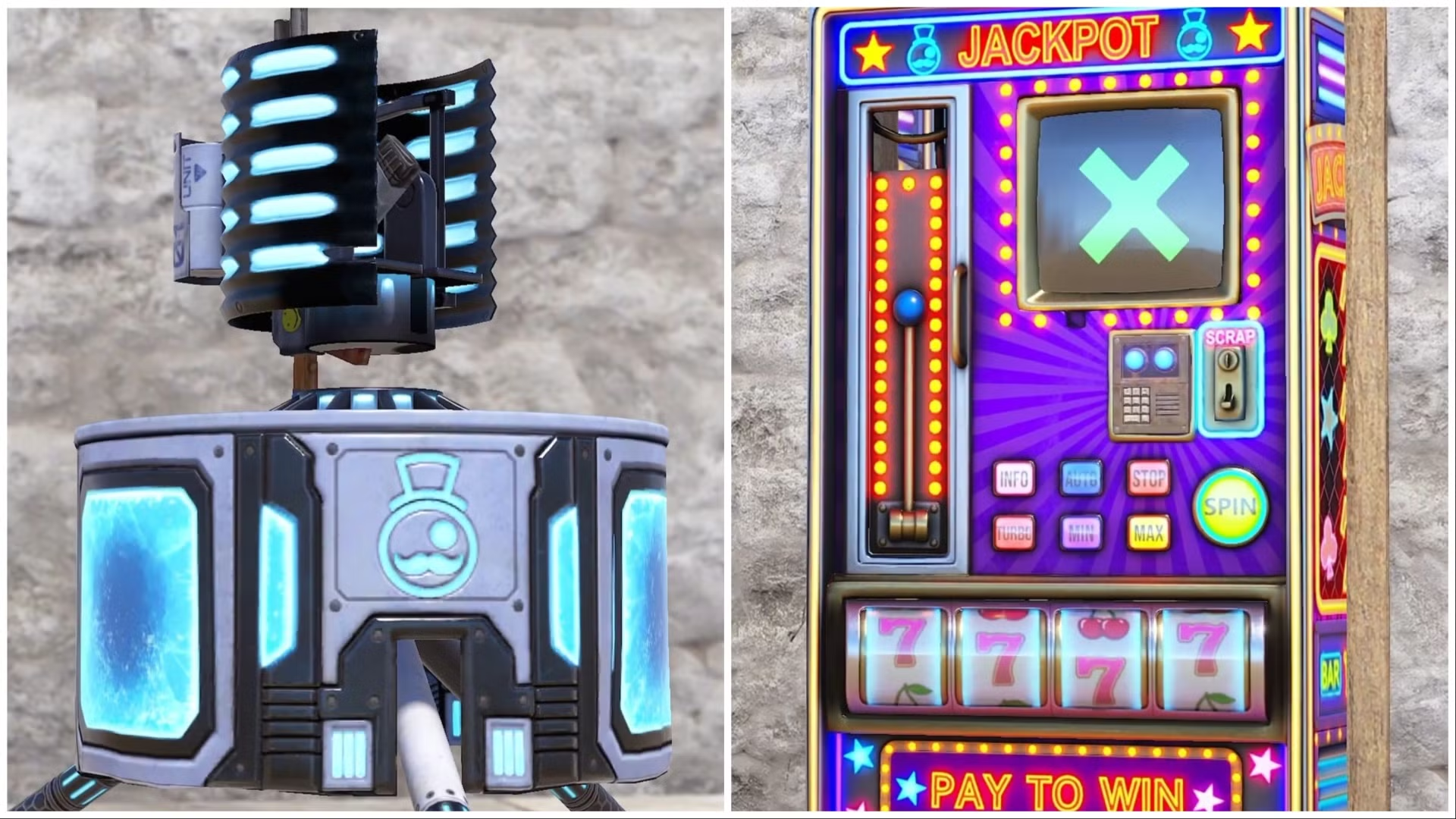
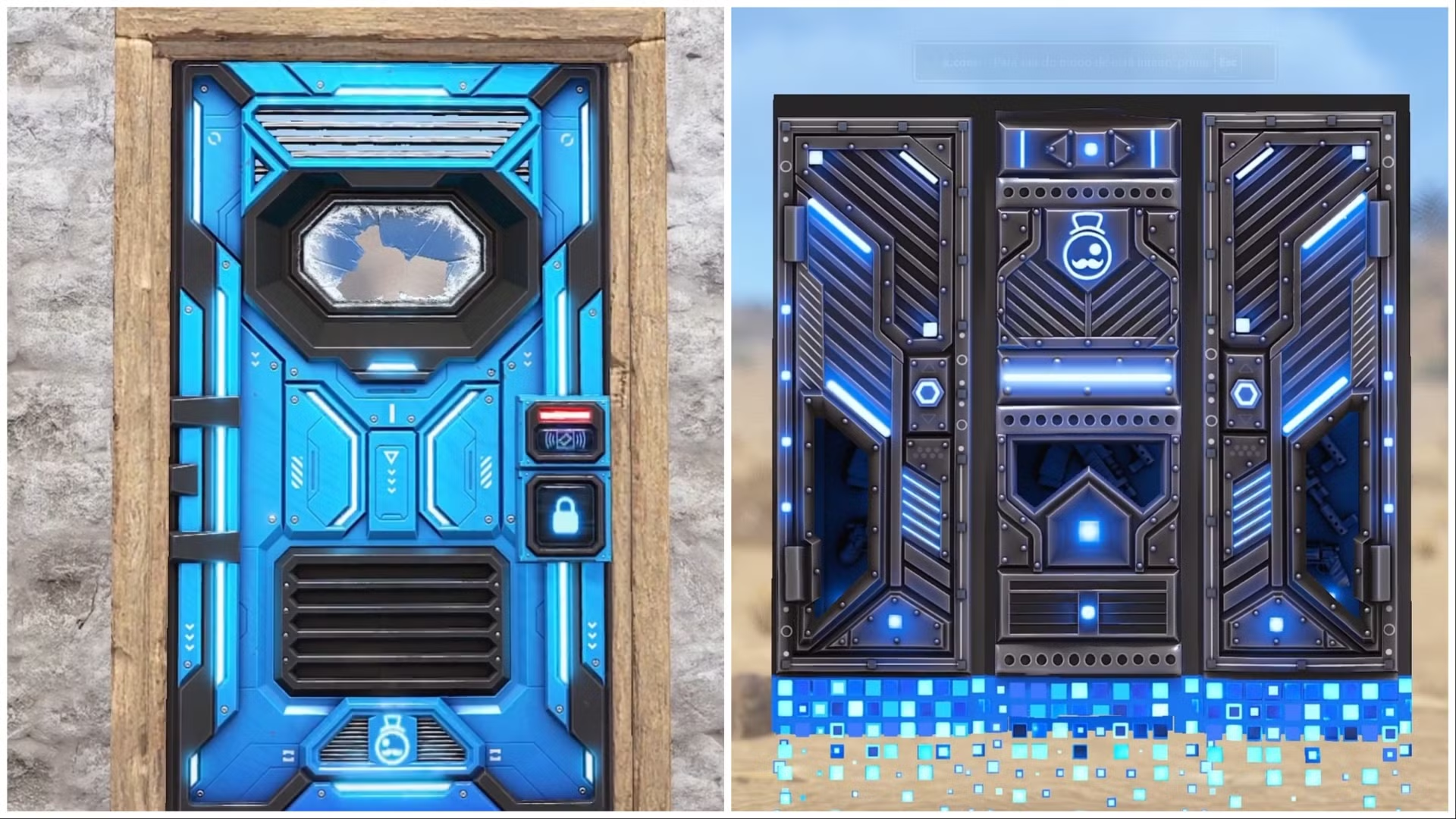
There are four free Twitch Drops tied to the event: a gravitating locker, an auto turret, a vending machine, and a wooden door. For Rust players, that is a weirdly perfect reward package: storage, defense, supplies, and a door that will absolutely get shot off within ten seconds.
Check out @FancyOrb_'s trailer for the upcoming Global Warfare event! 🌏☢️💥
Running from 30th July - 2nd August! All your favourite Rust creators from around the world in a head-to-head PvP event
 View on X →
The map is built for both strategy and spectacle
The Global Warfare 4 map is not just a blob of land with a globe texture slapped on top. The overhead view released for creators and participants highlights Mount Everest, the Amazon rainforest, multiple oil drills in the Middle East, lush greenery in Hawaii, the Nile River across Africa, a train system for global travel, radiation-riddled nuke craters from previous events, and the Moon.
That last detail matters because it signals how much this event has grown beyond a simple in-game competition. The Moon is not practical for ordinary base-building. It is there because Global Warfare has become a story engine, and stories need landmarks, absurdity, and places to send everyone screaming across the map.
The train system is probably the more immediately useful feature. Rust players already treat transportation as a serious logistical puzzle, so a global rail network gives the event a built-in reason for movement, ambushes, supply runs, and content creators discovering that “quick trip across the world” is a lie told by optimistic people.
The Middle East oil drills also feel intentionally placed. In Rust, resources are never just resources; they are leverage. Whoever controls oil, who controls it, and who gets to pretend they are negotiating fairly about it can become the center of the event’s drama fast.
Why the trailer makes Global Warfare 4 feel bigger than usual
The trailer’s cinematic style is doing more than showing off pretty Rust scenery. It is framing the event like a season finale, which is exactly how the most successful Global Warfare events have worked. Players do not need to understand every faction or every treaty to enjoy the collapse of trust on a server full of people who promised not to nuke each other.
That is the appeal. Global Warfare gives Rust’s most theatrical community a stage, then adds enough map scale to make the roleplay feel almost believable. Even if every alliance eventually turns into a suicide run, the journey from “civilized negotiation” to “everyone is on fire” is the actual content.
Facepunch and FancyOrb are also leaning into the event as a viewer experience, not just a server mode. The YouTube movie-style recap planned for later means the event is designed to live beyond the weekend, which is important for Rust. A lot of its best moments are temporary, chaotic, and dependent on timing, so packaging them into a replayable story helps the event matter after the server resets.
The real competition is not just who controls the map
Global Warfare 4 is not simply about military strength. It is about narrative control, which is harder to measure but often more important in a roleplay-heavy event. A small group can win the weekend by creating a memorable conflict, controlling the flow of information, or making other players react in exactly the wrong way.
That is why the event works so well as livestream content. Viewers are not only asking who is winning. They are asking who is betraying whom, why a base got nuked, whether the train is actually safe, and whether the next “peace summit” is just a very polished ambush.
The Earth-sized map gives those stories room to breathe. Mount Everest, the Amazon, Hawaii, the Nile, oil fields, and the Moon are all recognizable enough to anchor the roleplay, but rugged enough to create real Rust problems. You can have an argument about borders, but you still have to figure out how to survive the terrain.
What this says about Rust’s live-event strategy
Global Warfare 4 fits the broader direction Rust has taken: bigger community events, more creator participation, and more reasons for players to watch even if they are not logged in. The game’s core loop is tense enough on its own, but these events turn the server into a shared spectacle.
That strategy benefits Rust because it keeps the community engaged outside the normal patch cycle. It gives streamers fresh content, gives returning players a reason to come back, and gives regular players a way to participate through Drops without needing to survive a full Global Warfare weekend themselves.
It also reinforces why Rust remains so durable. The game is brutally unforgiving, but its social systems are surprisingly flexible. Players can build bases, raid bases, trade, roleplay, fight, betray, or simply watch someone else’s base become a smoking crater from across the map.
What to watch for when Global Warfare 4 starts
The most obvious question is where the first major conflicts happen. The oil drills in the Middle East could become the first flashpoint, especially if multiple regions decide resources are worth a fight. The Moon, meanwhile, will probably become less of a strategic asset and more of a meme destination, which in Rust is almost the same thing.
Watch how FancyOrb’s stream handles the map as a whole. A global event can become confusing fast if viewers are only following one corner of it, so the stream’s ability to connect regional drama into one larger story will shape how casual fans understand the event.
For players who do log in, the practical goals are familiar: secure resources, build defensible positions, use the train network without getting ambushed, and decide whether roleplay diplomacy is worth trusting. For everyone else, the event is a chance to watch Rust’s best community energy turn a survival sandbox into a planetary disaster with loot drops.
Global Warfare 4 is not just another Rust event. It is the game’s multiplayer culture at its most theatrical: huge maps, real-world symbols, creator-led drama, and enough violence to make every diplomatic speech suspicious. If the weekend delivers even half the chaos the trailer suggests, Rust will have another story worth watching long after the server is wiped.
Check out @FancyOrb_'s trailer for the upcoming Global Warfare event! 🌏☢️💥
Running from 30th July - 2nd August! All your favourite Rust creators from around the world in a head-to-head PvP event
View on X →


Comments (0)
Loading comments…