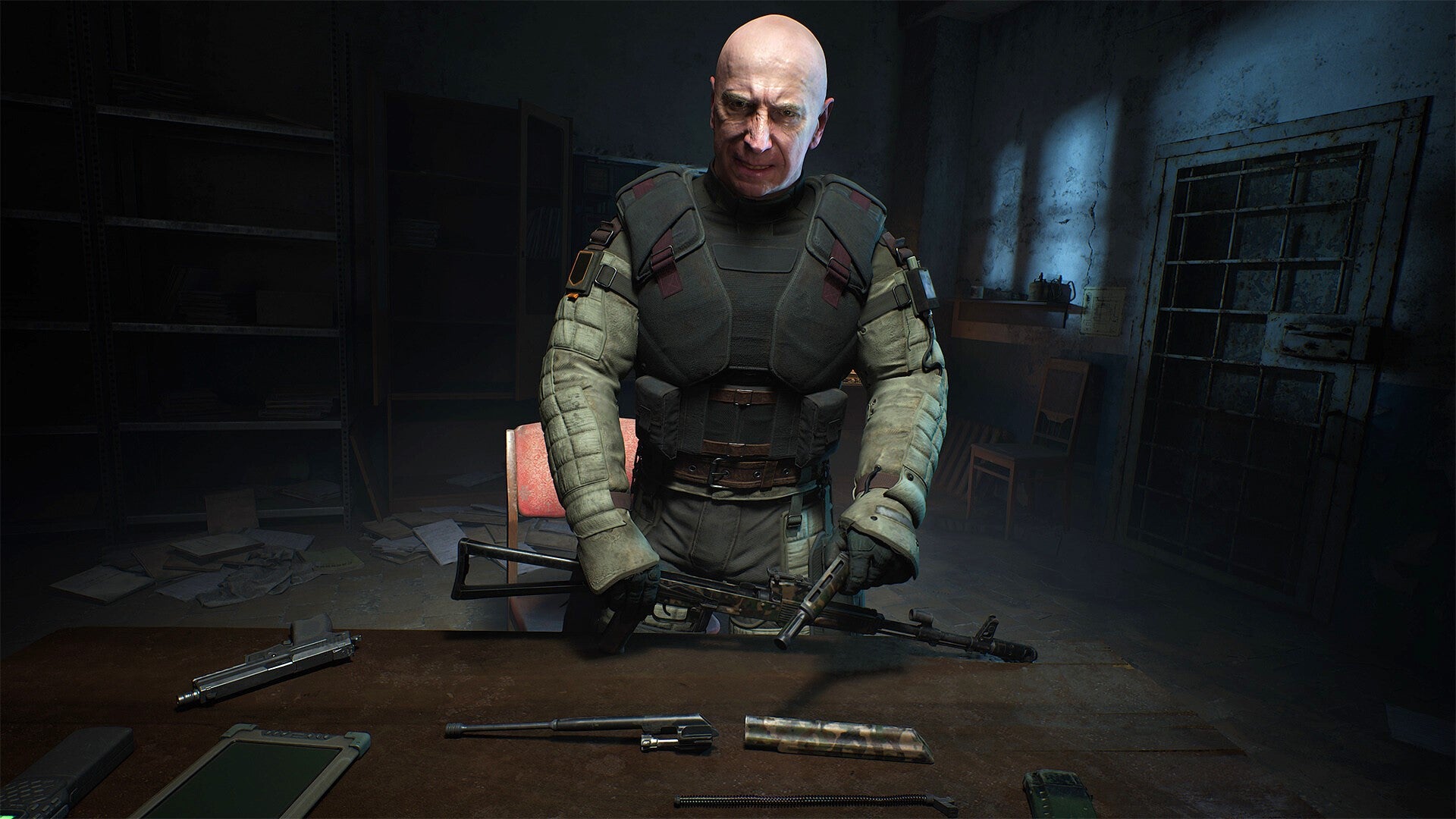
The story of Stalker 2 has always been stranger than fiction. A Ukrainian studio developing an open-world shooter while their country is invaded. Multiple delays. A launch state that charitably could be called "ambitious." And now, a public spat between the studio's founder and the studio itself over whether Microsoft essentially printed money to secure a year of Xbox exclusivity.
Earlier this week, GSC Game World founder Sergiy Grygorovych told YouTuber OLDboi that Microsoft paid more than the game's entire development budget to keep Stalker 2: Heart of Chornobyl off PlayStation for twelve months. "It paid for itself before the first day," Grygorovych said, describing a deal signed in roughly a week after the reveal trailer blew up online. The implication was clear: Xbox wrote a blank check to score points against Sony, and GSC cashed it.
GSC Game World — the current iteration of the studio, not Grygorovych — disagrees. In a statement to Insider Gaming, the developer said the founder "was not involved either in negotiations with partners regarding Stalker 2 or in the actual development of the game throughout its full production cycle" per agreements between the parties. They added that "the majority of the development budget" came from studio owner Max Krippa, not a platform holder's war chest. The statement stops short of explicitly denying the dollar figure, but the framing is deliberate: Grygorovych isn't in the loop, so his numbers are speculation at best.
The Exclusivity Math Never Made Sense
Here's the thing about timed-exclusivity deals: they're usually structured as marketing support, advance royalty guarantees, or development milestone payments — not a lump sum exceeding the total budget. Microsoft has the cash to make that happen, sure. But if Xbox paid 1.5x or 2x the dev cost for a single year of console exclusivity on a niche Eastern European immersive sim, that's not aggressive competition. That's a category error.
The timing of Grygorovych's claim matters. Stalker 2 launched in November 2024 in a genuinely rough state — performance issues, AI quirks, animation bugs, the works. The Xbox timed-exclusivity window closed in November 2025, by which point GSC had shipped multiple major patches addressing everything from frame pacing to A-Life simulation behavior. The game on PlayStation 5 today is materially different from what Xbox players got at launch. If Microsoft overpaid, they overpaid for a beta.
Who Actually Funded This Thing
Max Krippa, the studio's current owner, is the name GSC wants centered. A Ukrainian entrepreneur with a background in esports and tech investment, Krippa acquired GSC in 2021 and bankrolled the remainder of development through the invasion, relocation of staff, and the inevitable scope creep of a project that had already been canceled once before. The studio's statement reads like a correction of the historical record: this wasn't a platform holder rescue. It was a private investor betting on a team that refused to die.
That distinction matters for how we understand the current landscape of platform exclusivity. Activision Blizzard's acquisition by Microsoft normalized the idea that Xbox solves problems with checkbook diplomacy. But Stalker 2 suggests a messier reality: a studio surviving on grit and private capital, with a platform deal layered on top — not the foundation underneath.
The Broader Exclusivity Trend Is Shifting
Timed console exclusives are dying as a strategy. Sony's been pulling back. Microsoft's been putting its own games on PlayStation. Third-party publishers are realizing that skipping half the market for a marketing check rarely pencils out when development costs hit nine figures. Stalker 2's one-year window feels like a relic of the 2020-2022 moment when both platforms were desperate for differentiators.
And the AI arms race hasn't helped. Both Sony and Microsoft are redirecting capital toward infrastructure and first-party development rather than third-party moneyhats. The AI arms race is eating budgets that used to fund exclusivity deals. Stalker 2 might be one of the last of its kind — a genuine timed exclusive from a non-first-party studio — rather than a template.
Skepticism Warranted On All Sides
Grygorovych has incentive to inflate his role and the deal's magnitude. He's the founder pushed out of his own studio; claiming he negotiated a historic windfall before leaving is a convenient narrative. But GSC's current leadership has incentive to minimize Microsoft's contribution — it strengthens Krippa's position as the savior and downplays platform holder leverage over Ukrainian developers.
The truth is probably boring: Microsoft paid a standard timed-exclusive fee — marketing spend, maybe a minimum guarantee — that Grygorovych rounded up to "more than the budget" in retelling. GSC's statement carefully avoids denying a specific number while denying the founder's authority to cite one. That's corporate communication 101.
What Happens Next
Stalker 2 is on PlayStation now. It's on Game Pass. It's patched into a state that respects the ambition. The exclusivity drama is background noise for anyone picking it up today. But the dispute reveals something about how fragile studio narratives are when ownership changes hands — and how easily platform war mythology fills the gaps where facts used to be.
Watch the patch notes, not the founder interviews. The game's finally living up to its potential. That's the only metric that matters.


Comments (0)
Loading comments…