
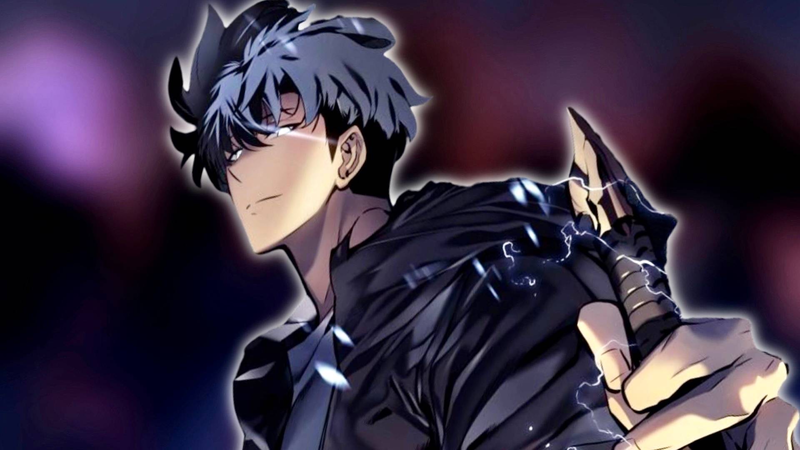
The release of The Art of Solo Leveling next month isn't just another merch drop — it's a memorial service disguised as a collector's item. After the anime propelled Chugong's web novel into global consciousness, the industry's attention has largely shifted toward what comes next: the Netmarble game, the 2027 movie, the Ragnarok sequel. But this art book, arriving in the first week of August 2026, forces a pause. It asks us to look backward at the artist who made the manhwa's visual language possible, and to reckon with the fact that Jang Sung-rak — DUBU — never lived to see his work animated.
The Cover That Shouldn't Exist
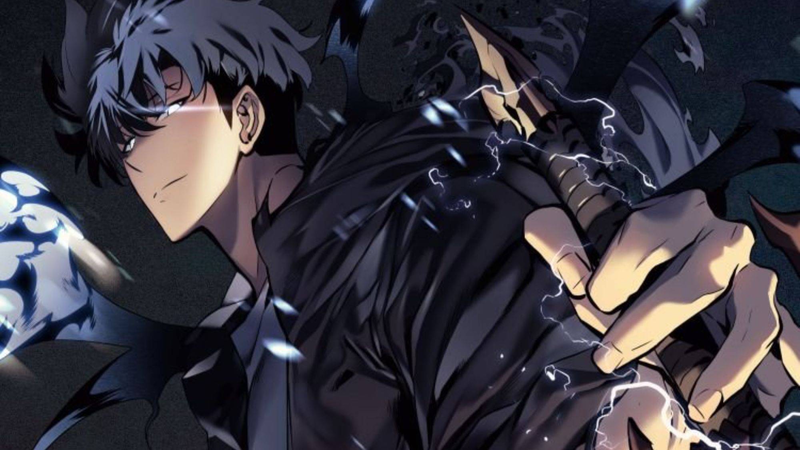
The new Jinwoo illustration gracing the cover carries an impossible weight. DUBU drew it before his death on July 23, 2022 — nearly four years ago — and it's only seeing daylight now. That timeline alone tells you everything about how manhwa production pipelines work: artists build buffers, plan years ahead, leave behind archives that outlive them. The illustration itself is vintage DUBU: Jinwoo mid-transformation, shadows peeling away from his frame like smoke, the System's interface flickering at the edges of the composition. It's the moment the weakest hunter became something else entirely, rendered by the hand that defined what "something else" looked like.
Aladin Book's X account announced the project on July 14. Pre-orders opened immediately. The first-print run includes a Jinwoo collector's card — the kind of physical artifact that transforms a $40 art book into a $200 secondary-market listing within weeks. For now, it's a South Korea exclusive. English-language publishers have been conspicuously silent.
Why This Book Matters Beyond the Fandom
Solo Leveling's manhwa didn't just sell well — it rewrote the commercial ceiling for Korean webtoons in global markets. Before DUBU's adaptation, the pipeline from KakaoPage to Western bookshelves was theoretical. After, it became a business model. Yen Press, Webtoon Entertainment, Tappytoon — every platform chasing the next Solo Leveling is chasing the visual standard DUBU set. His line work, his panel-to-panel pacing, his understanding of how to make a static image feel like a fight scene in motion: that's the template.
The art book reportedly includes concept art for artifacts — Jinwoo's daggers, the Shadow Monarch's throne, the System's UI elements — that never made the final cut. It includes Sleepy-C's guest illustration, the Omniscient Reader's Viewpoint artist reinterpreting Jinwoo in his own style. It includes commentary from Chugong himself, the novelist who started it all in 2016, reflecting on a collaboration that ended before its biggest triumph. This isn't fan service. It's industrial archaeology.
The Localization Gap Nobody's Talking About
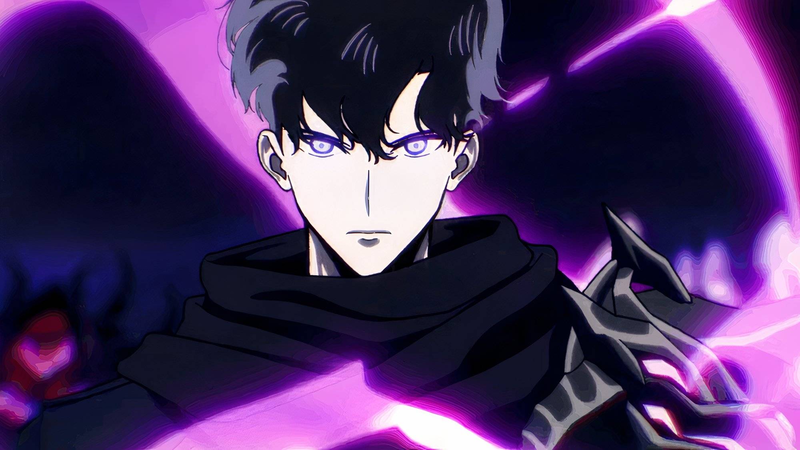
Here's the friction point: the book drops in Korea first. Global fans will wait — possibly months, possibly longer — for an official English edition. In the interim, scanlation groups will do what they always do: translate, typeset, distribute for free. Publishers know this. They've built release windows around it for years. But art books are different from chapters. The value proposition is physical — paper stock, print fidelity, binding quality. A PDF of a 200-page art book is a compromise, not a product. Every week without an international SKU is a week the official release bleeds mindshare to the gray market.
This isn't a new problem. It's the same problem that plagued Attack on Titan art books, Chainsaw Man art books, Jujutsu Kaisen art books. The Japanese industry solved it — mostly — through simultaneous global drops and partnerships with Viz, Kodansha USA, Yen Press. The Korean webtoon ecosystem hasn't caught up. Redice Studio, DUBU's former company, operates on a different cadence with different priorities. Until that infrastructure exists, every major Korean IP release will face this same lag.
What Comes After the Memorial
The timing isn't accidental. Solo Leveling: Karma — Netmarble's action RPG — targets late 2026. Solo Leveling: Beyond the System, the anime film bridging into the Double Dungeon arc, locks in 2027. Solo Leveling: Ragnarok, the sequel following Jinwoo's son Suho, sits in limbo after its artist's military enlistment, though a replacement has reportedly been secured. The franchise is entering its multimedia maturity phase: game, film, spin-off, sequel, all staggered to maximize revenue windows.
The art book is the only piece of this slate that looks backward. It's the only one DUBU touched. That distinction matters. In an industry that treats creators as interchangeable components — swap the artist, keep the IP — The Art of Solo Leveling insists on authorship. It says: this man drew the world you fell in love with. Here is his hand, preserved. Here is the work he left unfinished.
The Collector's Calculus
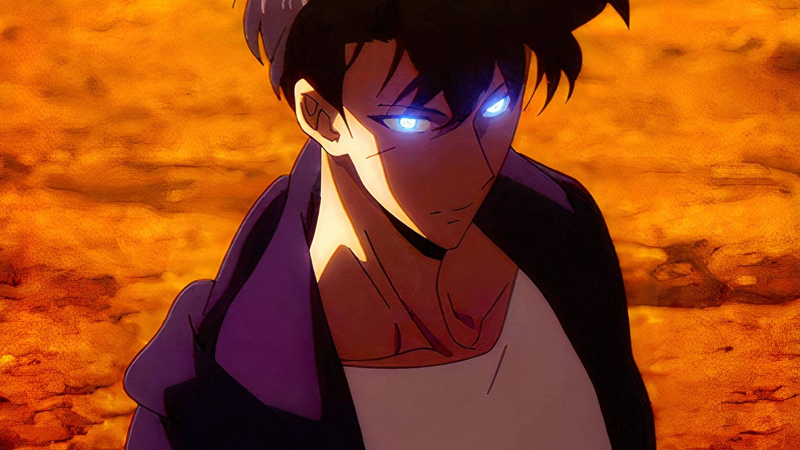
If you're ordering the first print for the card, you're speculating. If you're ordering for the unseen sketches — the discarded panel layouts, the weapon designs that never made the page, the margins where DUBU worked out how Jinwoo's shadows should behave — you're archiving. The difference matters. One fuels a secondary market. The other preserves a creative process that the industry rarely documents and never protects.
Chugong's commentary might be the most valuable pages in the book. The novelist and the artist built something neither could have built alone: a web novel that became a manhwa that became an anime that became a global franchise. That alchemy — prose to panels to frames — is the story of Korean content's global ascent in microcosm. DUBU didn't just illustrate Chugong's words. He translated them into a visual grammar that transcended language. The art book is the only place that grammar gets explained in the artist's own hand.
The release window opens next week. The English announcement may come in September, or November, or not at all. But the book exists. The drawings exist. DUBU's lines — the ones he drew knowing they'd outlast him — are finally getting the retrospective they earned. That's not nothing. In this industry, it's almost everything.


Comments (0)
Loading comments…