
The Alters: Last Variable is enjoyable, but it’s a softer, flatter version of The Alters. The expansion keeps the identity crisis, the alternate Jans, and the slow-burn science mystery, while removing the base game’s punishing sunrise timer—the thing that made every repair, meal, and resource call feel like a desperate tactical choice.

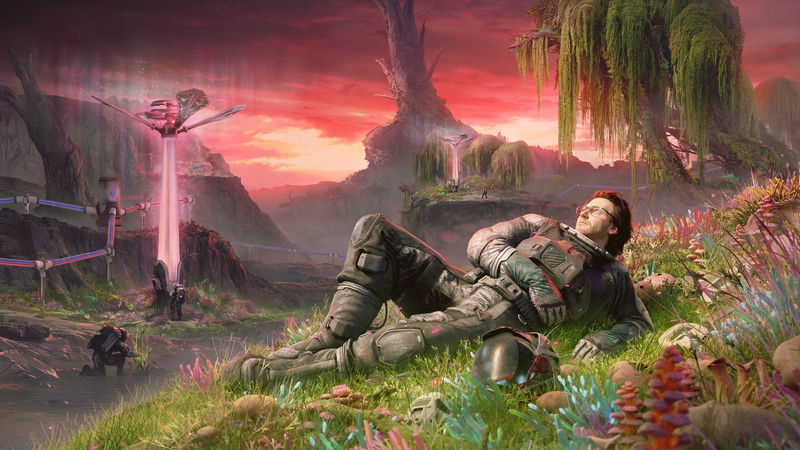
The expansion is out now on PlayStation 5, Windows PC, and Xbox Series X from 11 bit studios. It picks up after the main campaign, with Jan Dolski’s Scientist alter staying behind in a rebel-built base to investigate the Oasis, a fertile pocket of land that somehow survives the planet’s lethal sunrises.
The Oasis turns survival into scheduled maintenance
That setup sounds like a natural sequel hook, and it mostly works as a quieter chapter. You play as an alter of Jan Scientist rather than the original, which gives the expansion a nice recursive weirdness while letting it skip problems the original scientist already solved during decades of lonely work.
The most useful shortcut is the 13-year cycle. Jan Scientist has already dealt with the brain-damage complications and other Act 2-style messes, so this version can jump straight into research, terraforming, and curiosity. That matters because the expansion is less about surviving the planet and more about figuring out why one patch of it refuses to die.

The Oasis is still a great image. You wake from cryosleep, and instead of another scorched ruin, you get green swaths of land and purple flowers waiting for a terraformer to keep them alive between cycles. The science language gets fuzzy fast, but the loop has a nice “what did the planet do while I slept?” hook, especially when discoveries arrive after you initiate cryosleep.
That’s where the expansion starts to feel like it has made a trade. The base game’s horror was not just radiation, arguments, or a collapsing base. It was the sun itself: an unavoidable clock that punished hesitation and made resource allocation feel personal. Last Variable has discoveries, but it has almost none of that bite.
Cryosleep removes the consequences that made the base game click
The biggest gameplay change is simple: the sunrise is avoidable. When the planet burns, you go to cryosleep and wake up 13 years later with the quest still there, the repairs still needed, and the resources still absent. If a project is not ready, you wait a cycle. If an alter is cranky, you can mostly ignore it.
That turns The Alters into something closer to a cosmic to-do list. I found myself mining, cooking, researching, repairing, and assigning tasks the same way every cycle, then waiting for a resource to passively collect before moving on. The game still asks you to manage your Jans, but it no longer makes those choices feel sharp.

The lack of pressure also softens the emotional stakes. In the base game, an angry alter can refuse a work shift, and refusing work can mean everyone dies. In Last Variable, that relationship still exists, but the planet is no longer leaning over your shoulder. You can let someone sulk, skip a meal, or sit in a bad mood while the timer politely waits for you.
There is one nice consequence, though: the expansion’s monotony is oddly calming. It is easy to sit on the couch for hours because the game has stopped yelling. You are not racing death, you are not babysitting a panic room, and you are not trying to keep a dozen Jans from calling you an asshole at breakfast.
The new Jans are the expansion’s best character work
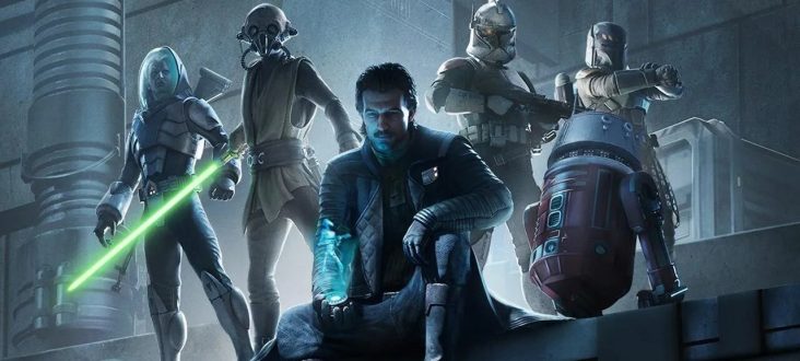
The new Jans are what keep the expansion from feeling like a stripped-down menu. Jan Biologist, Jan Chemist, Jan Geologist, and Jan Physicist each feel like distinct offshoots of Jan Scientist rather than simple class costumes. The Geologist wants to run wild experiments, the Biologist carries a more fragile sense of self-worth, and the Physicist’s jealousy storyline lands with real weight.
They are also noticeably less hostile than the original alters. The base game had plenty of anger, rebellion, and personal betrayal, which made the crew feel dangerous. Last Variable’s Jans are still flawed, but they do not feel like people you need to keep in line with food and fear.

Alex Jordan’s voice work remains the expansion’s strongest asset, giving each Jan a different rhythm and insecurity. That matters because the core gameplay is repetitive, so the characters have to carry a lot of the momentum. When one of them finally admits something ugly or makes a bad call, the game has a better shot at making you care.
The Oasis mystery also has real pull. Investigating why fertile land survives the same sun that destroys everything else gives the expansion a clean central question, and fans of the base game should care about how it connects to Jan Scientist’s past. The problem is that the mystery unfolds in a space emptied of danger, so its revelations feel interesting rather than urgent.
Why the expansion feels safer—and less memorable
This is probably the expansion’s intended shape. 11 bit studios is best known for games that turn systems into pressure, from This War of Mine to FROST, so the base game’s stress was never just flavor. Last Variable appears to be designed for players who liked the world and characters but wanted less punishment, less time pressure, and fewer hard resource locks.
That is a fair



Comments (0)
Loading comments…