
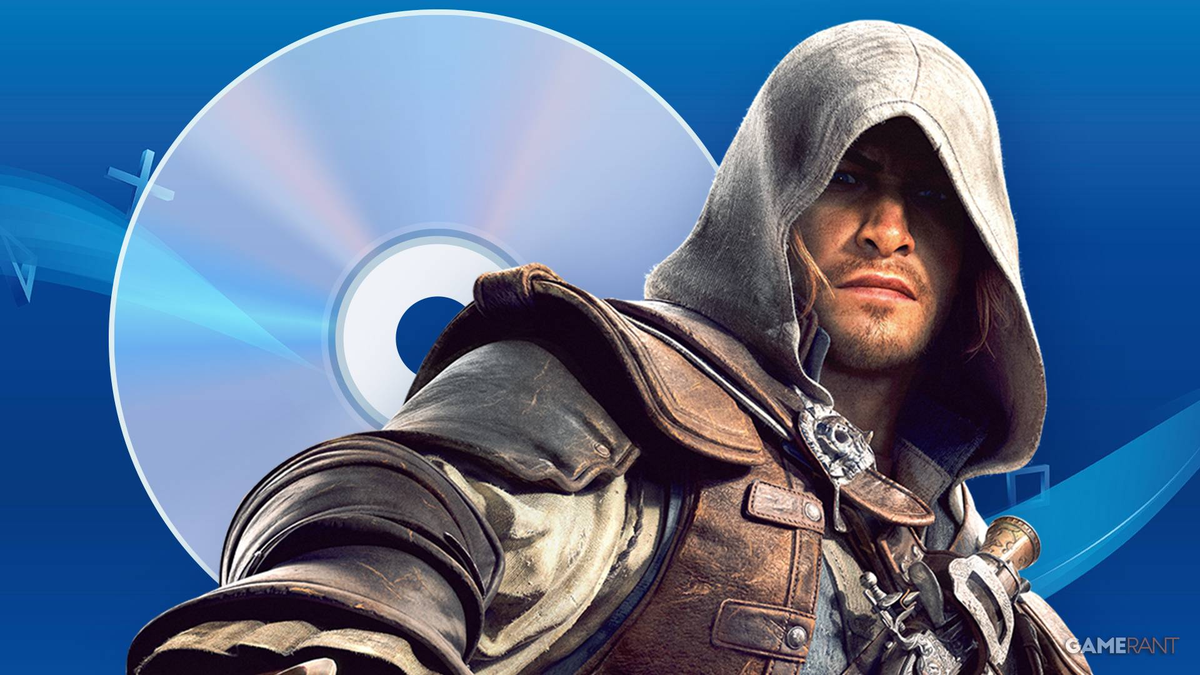
No, not according to Ubisoft CEO Yves Guillemot. His take is that PlayStation's plan to go digital-only on PS5 by January 2028 is unlikely to shake the broader console industry, but the furious reaction from players suggests it could still change how people think about owning games.
That is the real divide. Guillemot is looking at distribution economics and market growth; PS5 owners are looking at libraries, resale options, and whether a disc-free future feels like a convenience upgrade or a locked door.
PlayStation is moving PS5 away from discs in 2028

In early July, PlayStation shared plans to phase out physical discs for PS5. Starting in January 2028, users will only be able to purchase games digitally, even though current PS5 consoles still support disc drives.
PlayStation said the move reflects how most PS5 game purchases already happen digitally. That is a fair business explanation, but it also means Sony is treating the remaining disc market as a legacy channel rather than a core part of the console experience.
This is not a sudden whim. Console games have been drifting from retail boxes to account-based libraries for years, and Sony is simply making that shift more explicit for its current hardware.
Guillemot is making the PC gaming argument

During Ubisoft's earnings call, Guillemot compared the PlayStation shift to PC gaming's long move toward digital distribution, saying it helped grow the market. He also pointed to hardware costs, arguing that a digital-only machine could help Sony build a more accessible console in the future.
There’s also some pressure for the future on the cost of machines, and being able to be only digital will help to have a more accessible machine.
The logic is easy to understand. Removing a disc drive can simplify hardware, reduce manufacturing complexity, and eliminate retail logistics like disc production, shelf space, and returns.
But the PC comparison has limits. PC gamers can choose between Steam, Epic Games Store, Ubisoft Connect, Battle.net, GOG, and other storefronts, while a digital-only PlayStation ecosystem would push more spending through one platform.
The backlash is about ownership, not just nostalgia
The anger around PlayStation's decision is not just people missing trays, sleeves, and the tiny theater of swapping discs before launch night. A lot of players are worried that digital purchases will feel less secure when the entire path to ownership runs through Sony's store.
Former Blizzard president Mike Ybarra has asked PlayStation for a "digital promise" that would reassure users their games cannot be taken away later. He has also floated changes like the ability to resell or lend digital purchases, which gets to the exact weakness of platform-only libraries.
There are also practical concerns. Players with slow internet, data caps, or unreliable connections can still benefit from physical media, while used-game stores lose a product category that has already been shrinking.

Why Sony may not be listening too hard
From Sony's perspective, the economics are hard to ignore. Digital games usually give platforms better margins than retail copies because they avoid many physical distribution costs and keep purchase data inside the ecosystem.
The timing also makes sense for Sony. The company is already preparing the market for the next PlayStation generation, and a disc-free PS5 would reduce the gap between generations before the PS6 era arrives.
That does not mean Guillemot's optimism is baseless. Ubisoft, like many major publishers, benefits when players are already logged into accounts and buying directly from storefronts. A digital-first console market is less friction for publishers too.
The industry may absorb the change, but trust is the catch
The biggest question is not whether Sony can build a cheaper console without a disc drive. It can. The bigger question is whether players believe their digital libraries will remain accessible, transferable, and protected for years.
Sony is already facing scrutiny over PlayStation Store practices, including an antitrust complaint in Mexico that argues a digital-only model could strengthen the store's monopoly power. Critics also argue that consumers without stable internet access and shops selling used games would lose options.
That is where Guillemot's "will not disturb the industry too much" answer may be too neat. The industry may absorb the change, but consumer trust is harder to engineer than hardware cost.
What PlayStation should do before 2028
If Sony wants to keep passionate PS5 owners invested, it needs to address ownership before January 2028 becomes a referendum on the next console.
A stronger digital policy could include clearer refund rules, easier family sharing, better migration tools, and some way to resell or lend digital games. It does not have to recreate physical media, but it does have to prove that digital is not just a cost-cutting move.
The market will probably keep moving toward disc-free consoles anyway. The important thing to watch is whether Sony treats that shift as a business upgrade, or as a consumer promise that needs to be rewritten.
Guillemot may be right that PlayStation's digital-only shift will not shake the industry. But PlayStation's next move will show whether players see that future as convenient, locked down, or just another reason to keep buying discs while they still can.




Comments (0)
Loading comments…