
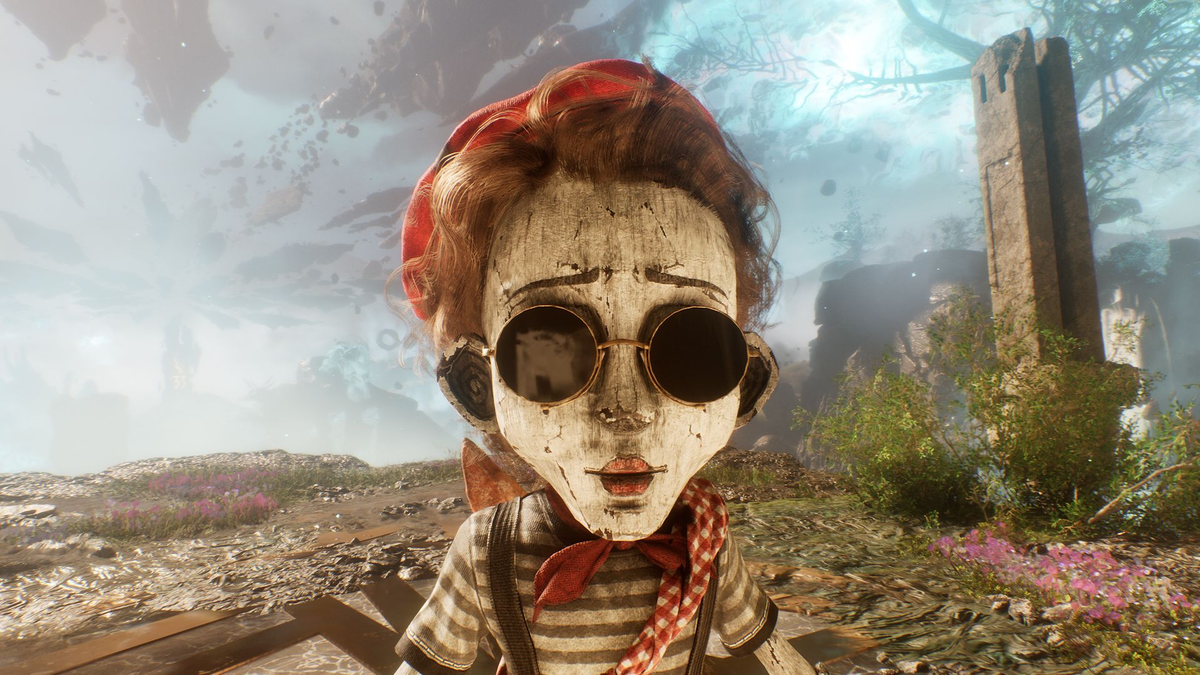
Games like Clair Obscur: Expedition 33, Balatro, and Peak can ease industry fear by proving that original, lower-budget games can still win players, critics, and money in a market that increasingly rewards safe bets.
The argument is simple: the industry does not need three miracle hits to survive, but it does need proof that risk can still pay. Balatro, Peak, and Clair Obscur are different enough to make that case stronger. One is a tiny roguelike card game, one is a compact puzzle adventure, and one is an art-driven role-playing game with a much bigger production footprint. Together, they show that novelty still has a market.
What happened is less a single announcement than a shift in the conversation. Around the latest wave of industry anxiety, experts have been pointing to these games as evidence that the business is not only about sequels, reboots, and live-service platforms. The important part is not that every small studio can copy their path. It is that the path was open enough for these games to become visible.
The three games make a broader case than their sales numbers
Balatro is the cleanest example because it did not arrive with a massive brand attached. LocalThunk's roguelike poker game succeeded by taking a familiar format and changing the rules in ways that felt dangerous. It is fast, readable, and easy to understand, but it keeps rewarding players with clever card combinations. That is the kind of design that can travel across platforms without needing a blockbuster trailer to explain it.
Peak makes a different kind of point. No Code's puzzle adventure is not built around endless progression systems or a store-ready economy. Its appeal comes from tone, curiosity, and a strong sense of place. In an industry where many games are designed as ongoing services, a focused adventure that asks players to solve, explore, and absorb atmosphere can feel quietly radical.
Clair Obscur: Expedition 33 adds the piece that is hardest to dismiss. It is not a one-person experiment or a small puzzle game with a cult following; it is a larger, art-forward RPG with a clear identity and a premium presentation. Its success matters because it suggests that original fantasy role-playing games can still break through when they have style, craft, and enough marketing muscle to reach players who may not live inside indie circles.
Why this argument is landing now
The timing matters. The game industry has spent years moving toward safer bets: bigger teams, bigger marketing, longer support windows, and more cautious publishing decisions. At the same time, players have grown more tired of games that feel engineered for retention rather than delight. That creates a strange contradiction. Publishers are asking for bigger certainty, while audiences are showing that surprise still sells.
That is why these games matter beyond their own fanbases. They give executives, investors, and developers a counterexample to the idea that only proven franchises can justify the risk. They also give smaller teams a practical reminder that a strong hook, a readable loop, and a memorable mood can still cut through a crowded storefront. The lesson is not “make any weird thing.” The lesson is that weird things need to be understandable fast.
Who benefits when original games break through
Players benefit first. A healthier market gives people more reasons to discover games that do not look like the same store-page wallpaper. It also gives developers more room to pitch ideas that are not just “sequel, but bigger.” For publishers, the upside is equally real. Funding a distinctive game can be cheaper, faster, and less reputationally dangerous than launching a giant live-service project that needs years to stabilize.
The bigger shift is psychological. When Balatro, Peak, and Clair Obscur become talking points, they change what people think is possible. That matters because creative industries are built on belief. If everyone believes only the safest products can survive, the market gets smaller before the money runs out.
The fear is real, but it is not the whole story
The fear in the industry is not imaginary. Development costs have climbed, layoffs have made the business feel less stable, and many companies are still trying to turn games into durable platforms. AI adds another layer of uncertainty, especially as studios debate whether machine learning tools can reduce costs or simply accelerate the same old pressures. The AI arms race can sound like a future problem, but it already affects how companies talk about staffing, pipelines, and risk.
That is exactly why the argument for games like these is useful. They do not erase the hard economics. They show that a smaller, more focused bet can still produce outsized attention. In other words, they are not a cure for industry fear, but they are an antidote to the most pessimistic version of it.
What the industry should learn — and what it should not copy
The dangerous lesson is “copy the hits.” Balatro is not a template, and neither is Peak. Clair Obscur is not a shortcut for every RPG studio with a polished art book. These games worked because each one had a specific identity that players could grasp quickly. They did not win by being vaguely original; they won by being unmistakably themselves.
The better lesson is about support. Original games need room to fail, but they also need room to be seen. That means better curation, smarter discovery, and a willingness from publishers to treat creative games as products with real commercial potential. It also means accepting that a game can be special without becoming the biggest game on earth. That is a hard message for a market that still measures success in launch-week numbers.
What comes next for players
If this argument holds, the next year of releases should keep getting more interesting. Players can expect more games that borrow from familiar genres but twist them in ways that make the basics feel new again. The best sign would be more studios taking chances on strong concepts rather than safer imitations. The worst sign would be publishers quickly turning every success into a flood of lookalikes.
For now, the takeaway is simple: Clair Obscur: Expedition 33, Balatro, and Peak do not fix the industry by themselves. They do something more important. They remind everyone that games still have room for surprise, craft, and ambition, even when the business side is trying to squeeze those qualities out.




Comments (0)
Loading comments…