

As Sony prepares to stop making and selling PlayStation discs by 2028, Sega is not backing an all-digital future. President Shuji Utsumi says digital distribution is crucial as PC gaming grows, but the company still values physical media and does not want to abandon it completely.
That is the headline, and it is more useful than a simple “Sega likes discs” take. Utsumi is describing a two-track strategy: push digital distribution hard for console and PC releases, while keeping physical media alive for the players, retailers, and collectors who still see it as part of how games are sold.
Sega is preparing for a PC-heavy market
In an interview, Utsumi described digital distribution as crucial for “full games” on consoles and PCs. In publisher terms, that means major paid releases, not every free-to-play title or service-style release. The reason is straightforward: if more people are playing on PC, a download-first model reaches them faster and with less retail friction.
Sega’s point about PC gaming is not just a side note. The company says consoles remain important, but PC players are growing even in areas where consoles are less available. That matters for a publisher with a catalog built for multiple platforms, from Sonic and Total War to Yakuza/Ryu Ga Gotoku and Persona releases.
For Sega, digital distribution is also a way to get more global. A PC launch can land in multiple regions without waiting for disc printing, shipping, regional packaging, and shelf allocation. The business case is obvious: fewer physical bottlenecks, broader reach, and cleaner patch management.
“We were originally a platform provider, and of course, we still value the culture of physical media,” Utsumi said. “Rather than completely abandoning that, we are currently challenging ourselves to shift so that we can think about and act on the important aspects of digital media in parallel.”
Why Sega’s hardware past matters
Sega’s history with hardware is not just corporate trivia. The company made the Master System, Genesis, Saturn, and Dreamcast before becoming one of the most recognizable third-party publishers in the world. That background gives Utsumi’s comments more weight, because Sega knows platform economics from the side that builds the machine and the side that ships the software.
It also helps explain the caution. Sony can treat the disc drive as removable hardware; Sega has already seen what it means to exit the hardware race. The company’s current success comes from choosing games, platforms, and publishers’ tools rather than betting everything on a console war.
That does not make Sega anti-digital. It makes Sega anti-all-in. The company wants to move with the market, but it does not want to erase the retail and collector culture that helped define console gaming for decades.
PlayStation’s digital-only move is about control, not just shelves
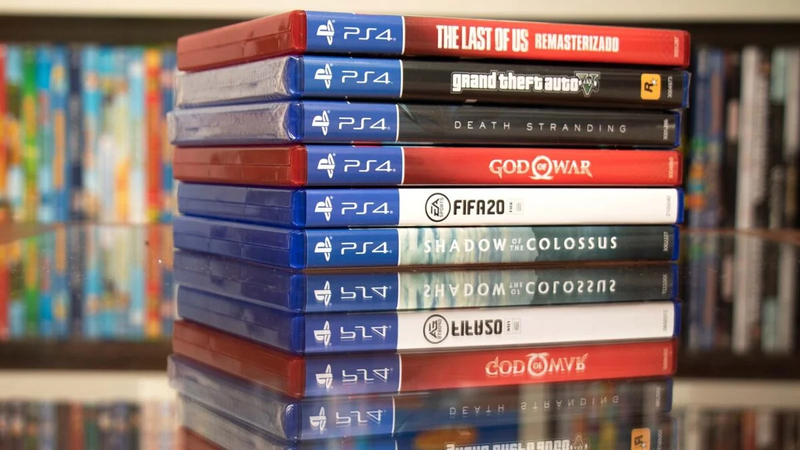
Sony’s plan to stop producing and selling PlayStation discs by 2028 is a major shift for console gaming. It would remove a familiar purchase path for full-priced games and push buyers toward the PlayStation Store, subscriptions, and digital bundles.
There are practical reasons for Sony to do this. Disc production, packaging, shipping, and returns add cost. Digital sales also improve platform margins because players are buying through Sony’s storefront rather than through retail channels. That is the business logic.
The player-side tradeoff is bigger than missing a plastic case. Physical media supports resale, lending, trade-ins, regional buying, and a kind of library control that digital accounts do not provide. When a platform removes discs, it also removes some of the market pressure that keeps digital prices flexible.
That is why the reaction has been so sharp. Players and creators have raised concerns about consumer rights, long-term access, and the shrinking role of retail. Even EU pressure has not appeared to move Sony from its current direction, which suggests the company sees the 2028 target as a strategic decision rather than a temporary cost issue.
Physical media is not perfect, but it still gives players leverage
The counterpoint is fair: discs do not solve every ownership problem. Many physical games still require activation, updates, online checks, or downloadable content tied to a platform account. A scratched disc can be a pain, and a physical copy can feel pointless if the game is mostly a live service.
Digital-only can also make sense for some players. It removes clutter, avoids broken cases, and can make library access easier across devices. For people who rarely buy boxed games or do not have room for


Comments (0)
Loading comments…