
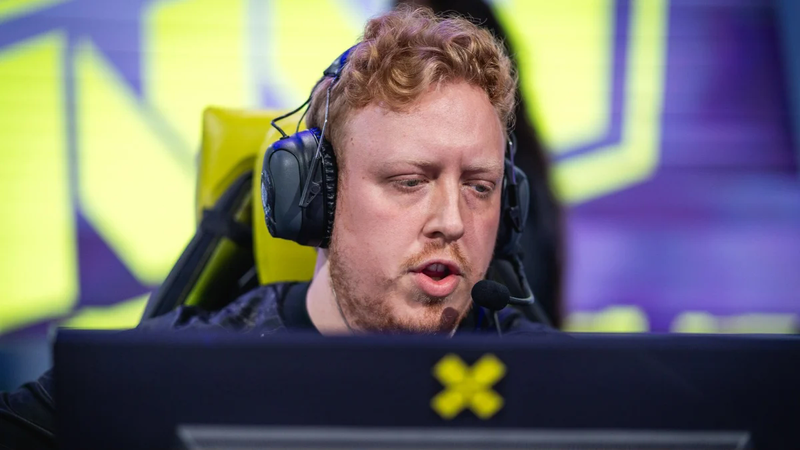
Riot Games suspended professional Valorant player Ardiis from co-streaming VCT tournaments after determining he violated the official co-streaming policy by broadcasting matches without proper authorization. The suspension, announced this week, effectively prevents the former NAVI star from hosting watch parties or commentary streams during the remainder of the VCT season — a blow to both his personal brand and his income stream.
The Violation and the Ruling
Riot's esports operations team issued a brief statement confirming the ban, citing a breach of the tournament's co-streaming guidelines. While the exact nature of the violation wasn't detailed, sources indicate the issue involved Ardiis streaming VCT matches from an unapproved channel or platform, bypassing Riot's designated co-streamer program. Under the current rules, only approved partners and official broadcasters are allowed to re-stream VCT content — and players are expected to adhere to the same restrictions as any third party.
— VALORANT Esports EMEA (@vct_emea) July 23, 2026
Why This Happens Now
Co-streaming has evolved into a major engagement tool for professional Valorant players, especially during off-season breaks or when they aren't actively competing. Ardiis, known for his analytical and entertaining watch parties, built a significant audience through these streams. But as the VCT ecosystem grows, Riot has tightened its grip on broadcast rights. The decision sends a clear message: even top-tier pros aren't exempt from the rules. This crackdown mirrors moves by other major esports leagues, including those run by Activision, which have similarly restricted co-streaming to protect sponsorship and advertising revenue.
Who Benefits and Who Loses
For Riot, the suspension reinforces the value of its official co-streaming program — creators who apply and are approved get access to revenue sharing and promotional support. For Ardiis, it's a direct hit to his reach and potential earnings. Losing the ability to co-stream means losing a consistent touchpoint with fans who tune in not just for pro play, but for his personality and insight. Other players watching this case may think twice before bending the rules, which is precisely the deterrent Riot wants.
Meanwhile, the stricter affiliate policy around streaming has sparked debate among the community. Some argue the rules are too vague and that Riot should invest in AI-powered monitoring tools to detect violations automatically rather than relying on manual enforcement that can feel arbitrary.
A Broader Industry Shift
Esports organizations are increasingly treating player-generated content as both an asset and a liability. On one hand, co-streams drive viewership and deepen fan loyalty. On the other, they can cannibalize official broadcasts and complicate sponsorship deals. This tension isn't unique to Valorant — major hardware partners like AMD have begun tying their esports sponsorships to exclusive broadcast deals, pressuring leagues to enforce tighter controls. As a result, players who once had free rein to stream matches now find themselves navigating a labyrinth of permissions and contracts.
The Skeptical View
Not everyone is on Riot's side. Critics argue that co-streaming bans hurt the very grassroots energy that made VCT popular in the first place. Ardiis' suspension feels especially heavy-handed given that he wasn't competing in the matches he streamed — he was simply watching and reacting like any other fan. The punishment, some say, is out of proportion with the offense, especially when Riot's own official co-streamer list remains relatively small. If the goal is to grow the scene, restricting voices like Ardiis' may do more harm than good.
What Comes Next
Ardiis has indicated he plans to appeal the decision, though Riot has not confirmed whether an appeals process exists. The wider conversation about co-streaming rights is unlikely to fade — expect more clarity from Riot in the coming months, likely in the form of updated guidelines that attempt to balance control with community freedom. For now, any pro player thinking of hosting a VCT watch party should double-check the fine print.
Reaction on social media: see the full post
We respect and fully support Riot Games' decision.
— NAVI Valorant (@NAVIValorant) July 23, 2026
There is a line that should never be crossed, and discriminatory conduct or language of any kind should never be tolerated.
Effective immediately, NAVI is suspending its cooperation with Ardiis. https://t.co/zeY3qpqxZU





Comments (0)
Loading comments…