
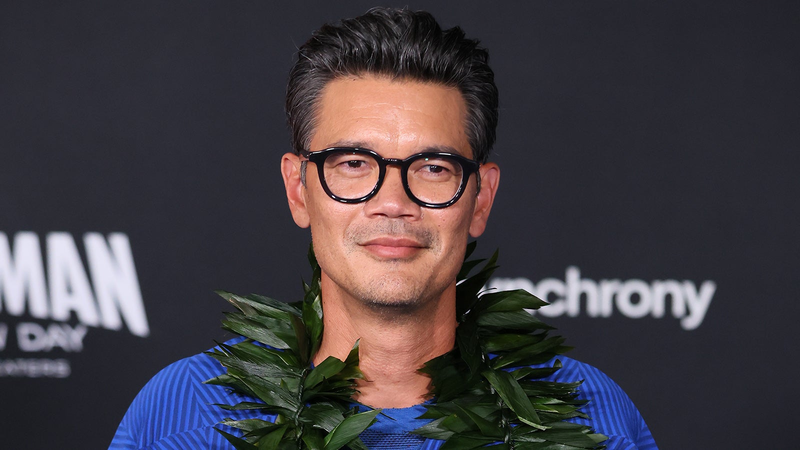
Destin Daniel Cretton's path from Avengers: The Kang Dynasty to Spider-Man: Brand New Day reveals how Marvel Studios pivots when its long-term plans collide with real-world chaos — and how quickly Kevin Feige moves to keep trusted collaborators in the fold.
The Kang Dynasty Collapse
Cretton confirmed to IndieWire that he was "sad" when The Kang Dynasty fell apart, a project he'd been attached to since its 2022 announcement. The film was meant to be the culmination of Marvel's Phase 5 and 6 buildup around Jonathan Majors' Kang the Conqueror, a villain introduced in Loki and Ant-Man and the Wasp: Quantumania. But Majors' December 2023 assault conviction forced Marvel to scrap years of narrative architecture. By the time the writers' and actors' strikes froze production in mid-2023, Cretton was already questioning whether the film would ever materialize.
"I try not to hang my emotions too much about circumstances outside of my control," Cretton told interviewer Mike Ryan. "When Kevin [Feige] asked me if I'd be interested in Spidey, I became very happy."
The Pivot to Peter Parker
Feige's offer came quickly — not as a formal announcement, but as a conversation on the same day Kang Dynasty was effectively dead. Cretton admitted he feared his relationship with Feige might sour after the high-profile exit. Instead, the Marvel Studios president treated it as a scheduling adjustment rather than a creative divorce. Spider-Man: Brand New Day, targeting a July 31, 2026 release, became Cretton's new anchor in the MCU.
The film is already tracking for a $180–230 million domestic opening, per industry projections. IGN's Tom Jorgensen gave it a 7/10, noting the film balances tonal reset with franchise momentum. For Sony and Marvel, the partnership remains one of the few reliably profitable IP-sharing arrangements in Hollywood.
Why This Matters for the MCU's Next Phase
The Kang-to-Doom pivot represents Marvel's most significant course correction since the Infinity Saga. Avengers: Doomsday, slated for December 18, 2026, now carries the weight of reintroducing Victor Von Doom as the saga-level threat. A San Diego Comic-Con clip shown exclusively to attendees depicted Doom activating an army of dormant Sentinels — a sequence described by IGN's Eric Goldman as "one of the most comic-accurate scenes we've seen thus far in the MCU."
That moment signals a shift: Marvel is leaning harder into faithful comic adaptations after years of loose interpretations. Whether that satisfies longtime readers or alienates general audiences remains the central tension of the Multiverse Saga's back half.
The Risk of Overcorrection
There's skepticism worth noting. Brand New Day arrives after Spider-Man: No Way Home ($1.9B global) set an almost impossible benchmark. Cretton's strengths — intimate character work, grounded action — were honed on Shang-Chi, a film that succeeded partly because it wasn't burdened by decade-long continuity. Stepping into a Spider-Man film that must also serve as a soft reboot for the character post-No Way Home is a different calculus entirely.
And Doomsday's massive ensemble cast — rumored to include returning X-Men, Fantastic Four, and legacy Avengers — risks the same bloated narrative fatigue that plagued The Marvels and Ant-Man 3. Feige's track record suggests he'll manage it, but the margin for error has narrowed.
What Comes Next
D23 Expo looms as the next major inflection point. Marvel is expected to unveil Doomsday footage, clarify the X-Men integration timeline, and potentially confirm whether Secret Wars (currently dated for 2027) holds. For Cretton, Brand New Day is both a vote of confidence and a test: can he translate his indie sensibility to a franchise that now demands both emotional specificity and multiversal spectacle? The answer arrives next summer.



Comments (0)
Loading comments…