
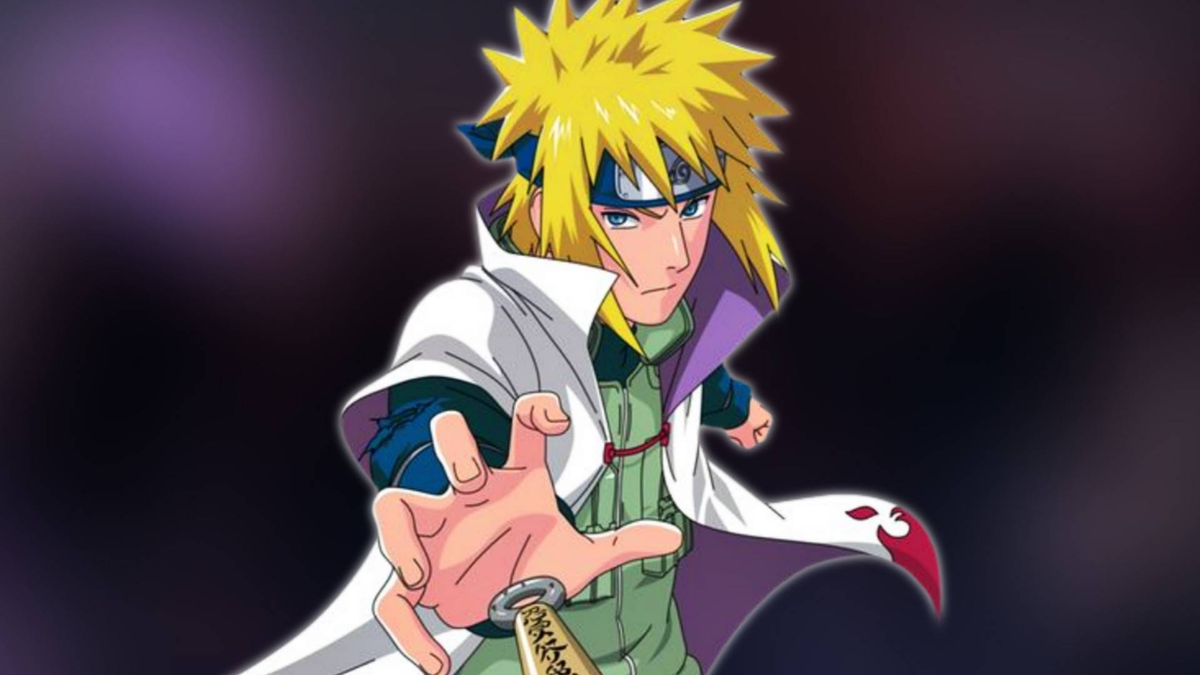
Naruto Mobile officially returned Minato Namikaze, the Fourth Hokage, as Minato Namikaze Jianghu Legend on July 24, 2026, giving one of the franchise’s most beloved dead heroes a new gacha release, a new martial-arts-inspired design, and a never-before-seen CGI animation.
The reveal is not just another character banner. It is a reminder of how strongly modern Naruto games depend on legacy characters: people who may be absent from the main story, but still carry enormous emotional and mechanical weight for longtime fans.
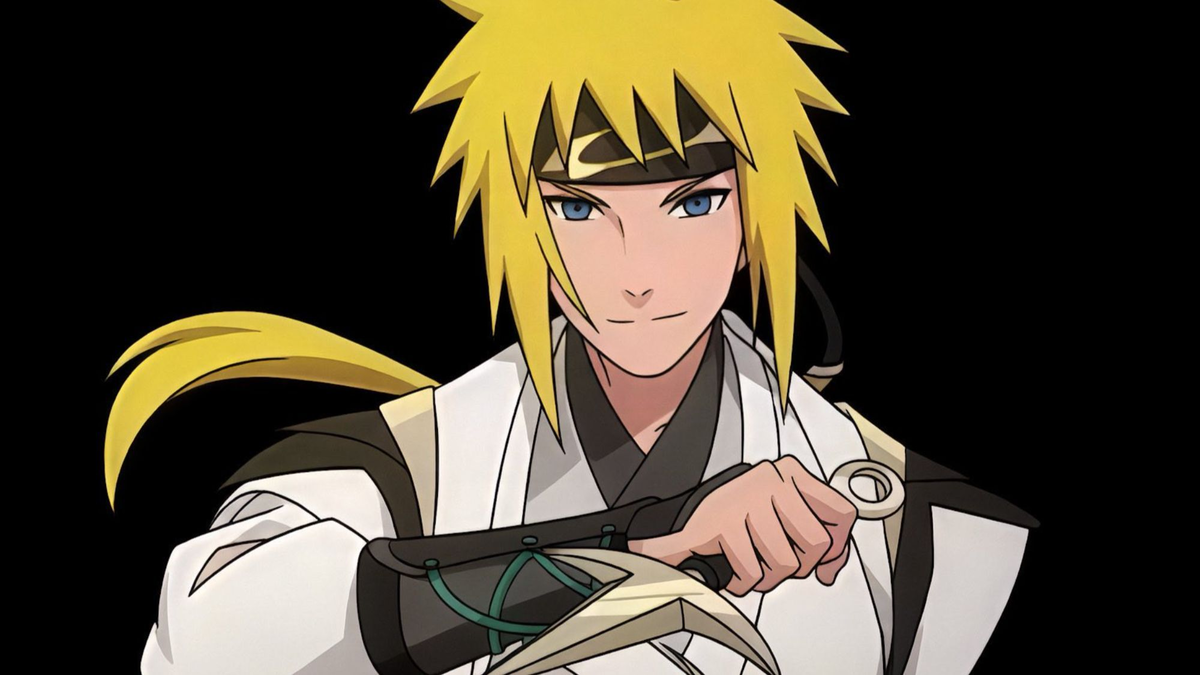
Minato’s Jianghu Legend form was first teased by the Naruto Mobile app on July 4, 2026, then fully revealed alongside new illustrations and the official CGI video on July 21, 2026. The released version arrived on July 24, 2026, positioned as an A-Rank Ninja with a new haircut, a white outfit, and a “Jianghu” martial-arts identity.
A New Version of the Yellow Flash
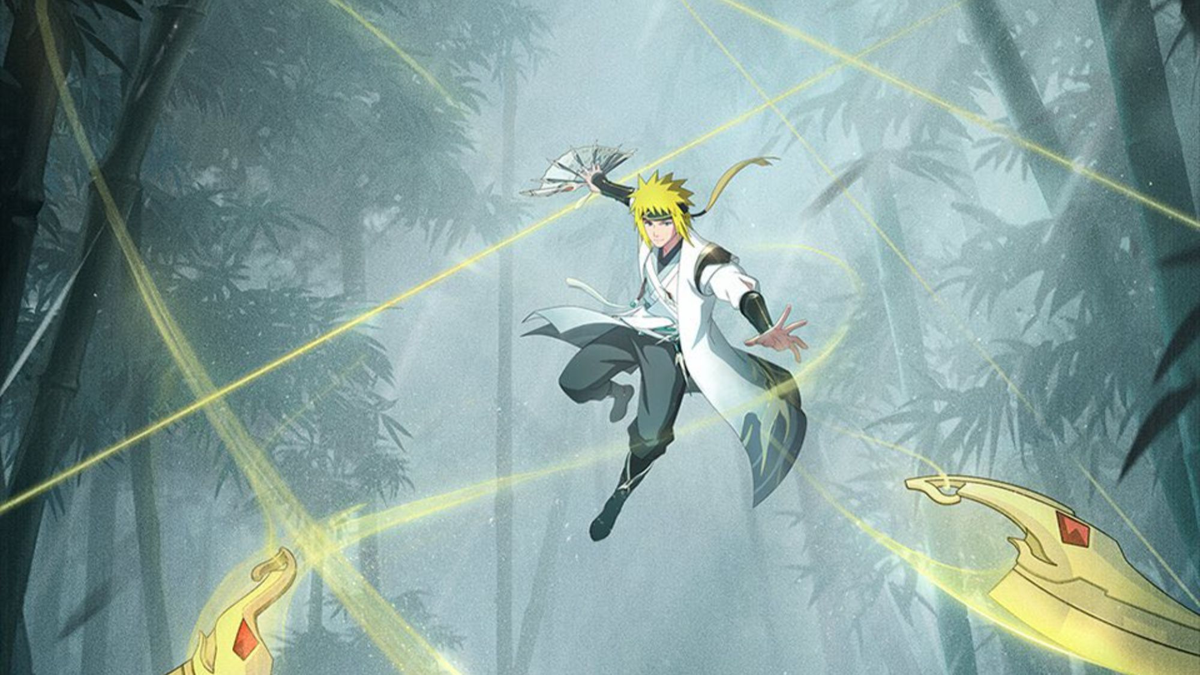
The new animation shows Minato fighting through a horde of enemies with his usual speed, but the presentation is intentionally different. Instead of only channeling the Fourth Hokage’s classic lightning-fast ninjutsu, this version adds fans, shuriken volleys, and more stylized martial-arts movement.
That matters because Naruto Mobile has to sell Minato not just as “the Fourth Hokage,” but as a fresh product. Fans already know the original Minato. They know the Yellow Flash, the Rasengan creator, the Fourth Hokage, and the father of Naruto Uzumaki. The Jianghu Legend version gives the game a reason to make him feel new.
“The fan conceals the wind and clouds; the darts strike like shooting stars.”
The game’s own description frames Minato as someone who moves through a bamboo forest “like lightning,” using speed and projectile attacks to crush enemies in a single blow. It is classic Naruto Mobile logic: familiar icon, new visual hook, flashy combat language, and a release window built around anticipation.
Why Minato Still Matters
Minato Namikaze first appeared in Naruto chapter 239, released on December 6, 2004, but his importance stretches far beyond that introduction. He was already a legendary Konoha ninja connected to the Third Great Ninja War, known as the Yellow Flash for his speed and battlefield impact.
His absence from the present-day story is part of the reason he remains so powerful in the franchise’s mythology. He died before the main events of Naruto began, alongside Kushina Uzumaki, while protecting the village and their newborn son. That death gave him a clean heroic finality that the series later complicated, but never fully erased.
He did return temporarily through the Edo Tensei technique during the Fourth Great Ninja War, which let him fight beside Naruto again before being sealed away once more. But as a story figure, Minato’s arc is already complete. His legacy lives through Naruto, Kushina, and now Boruto and Himawari Uzumaki.
The Gacha Logic Behind the Return
Gacha games thrive on characters who are both familiar and newly packaged. Minato is ideal because he has almost no risk of feeling like filler: every longtime fan already understands his place in the world, and many still associate him with some of the most emotional moments in Naruto.
The Jianghu Legend treatment also fits the current state of Naruto Mobile. The game has leaned into alternate aesthetics, crossover-style fantasies, and visually distinct versions of established characters. That approach gives players more reasons to engage with banners while letting the game stand apart from the manga and anime canon.
For casual players, this is a chance to try a fan-favorite who has been absent from the main timeline for years. For collectors, it is another high-profile Minato variant. For competitive players, the question is whether the new movement style and tools make him feel meaningfully different from existing Minato versions.
What the New Design Changes
The most obvious change is the outfit. Minato’s white Jianghu-style look separates him from his classic Fourth Hokage attire and gives the banner a cleaner visual identity. In a mobile game where character silhouettes matter quickly, that kind of distinction is important.
The second change is the fan. It is not just a cosmetic flourish; it reinforces the new attack language around wind, speed, and thrown projectiles. That gives the animation a stronger hook than simply saying “Minato, but cooler.”
The third change is the emphasis on speed as spectacle. The original Minato was terrifying because he could end fights instantly. This version keeps that idea, but expresses it through a more choreographed martial-arts rhythm: darting through enemies, striking fast, and finishing with the Rasengan.
That ending matters. Seeing Minato use the Rasengan connects the new form back to the part of the franchise most players recognize immediately. The Rasengan is not just a move he invented; it is the technique that defines his relationship with Naruto. Bringing it into this release makes the gacha banner feel tied to the emotional core of the series.
The Bigger Question: Does He Need Another Version?
Some fans may ask why Minato needs yet another version after already being one of the most iconic characters in the franchise. The answer is simple, even if it is not always satisfying: Naruto Mobile has to keep selling legacy. The main story moved on to Boruto, but the mobile audience still has deep attachment to older Konoha figures.
Minato’s popularity is not accidental. He represents speed, sacrifice, parental love, and the hidden history behind Naruto’s own rise. Those are durable hooks. A game built around repeat engagement can turn that emotional weight into a banner, a trailer, and a new roster slot.
The risk is that every new version can blur together if the gameplay does not feel distinct. A different outfit and a new animation are not enough on their own. The real test will be whether Minato Jianghu Legend changes how he plays, whether his shuriken and fan mechanics add useful pressure, and whether the new design justifies another pull for Minato collectors.
That is where the trailer becomes more than promotional material. It gives players their first read on the fantasy: Is this a clean speedster build, a projectile-heavy controller, or a flashy finisher character built around instant kills? In gacha terms, that distinction can decide whether a banner becomes a must-have or just another attractive skin.
What Comes Next for Minato in Naruto Mobile
For now, Minato Namikaze Jianghu Legend is officially available in Naruto Mobile as an A-Rank Ninja. Players who have been waiting for another Minato variant can unlock him through the game’s release system and use him in their roster.
What to watch next is how Bandai Namco positions him in events, whether he receives additional visual upgrades, and if the Jianghu style gets expanded beyond one version of the character. Naruto Mobile has shown that it is willing to reimagine established heroes in alternate genres, and Minato’s return fits that direction neatly.
The Fourth Hokage is gone from the main story, but he is not gone from the franchise’s power center. In Naruto Mobile, he remains exactly what he has always been: a symbol of speed, sacrifice, and the next generation’s burden.
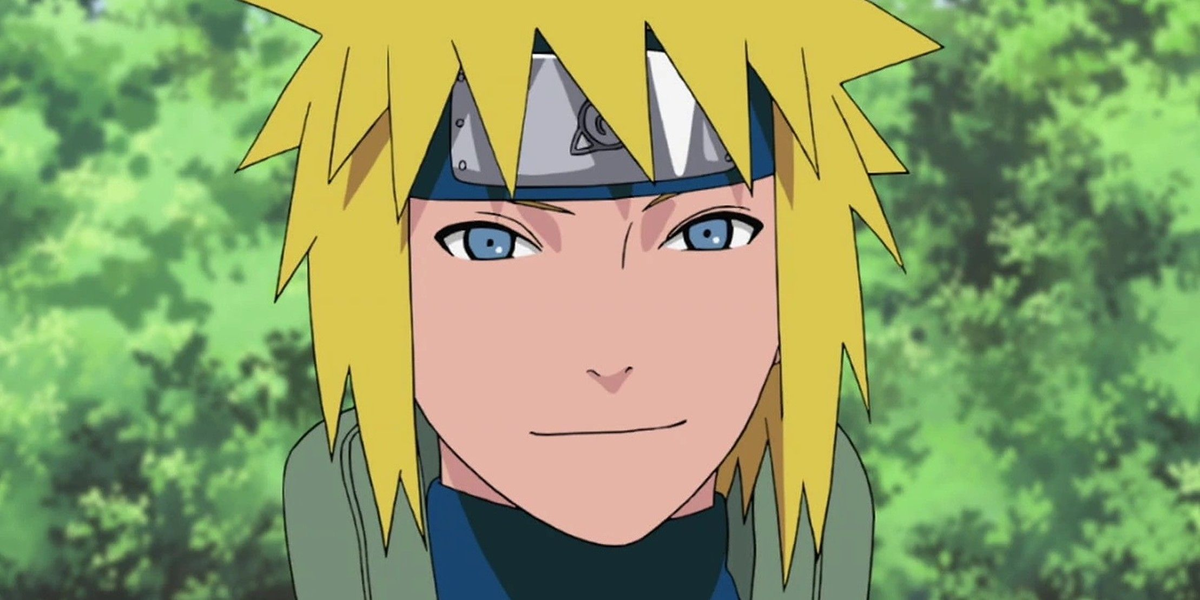
This release should be viewed less as a retread and more as a reminder that Naruto’s world still has enormous commercial and emotional pull. Minato does not need to return as a resurrected warrior to matter. In a game like Naruto Mobile, his legend is enough.
Comments (0)
Loading comments…