

Baba Yaga is finally getting her due as television's next great female anti-hero. AMC+ has greenlit Yaga, a genre-bending series premiering October 2026 that reimagines the Slavic folklore figure not as a hag in a hut but as a centuries-old force of wisdom, rage, and morally ambiguous justice — think Dexter meets Hannibal, but with a woman at the center and Eastern European myth in its DNA.
From Stage to Screen: The Announcement
The project was unveiled at San Diego Comic-Con by showrunner Kat Sandler, who adapted her own stage play for the screen alongside executive producers and cast members Clark Backo and Noah Reid. Sandler described the transition from theater to film as a chance to "direct the eye with the camera" — layering in visual Easter eggs, building mystery and tension through close-ups rather than broad staging. The series stars Backo as Detective Carson, a grounded, skeptical cop focused on protecting women in a patriarchal system, and Reid as her counterpart in a narrative that Sandler insists remains distinct from its theatrical origins. "The play exists in its own thing," she said. "It has now moved into something completely different."
Why Baba Yaga, Why Now
Sandler's attraction to the character is telling: Baba Yaga is "one of the only witches I think that has a name across all of these countries," a pan-Eastern European figure whose moral code refuses to settle into simple hero or villain territory. That ambiguity resonated with a creator who grew up watching male anti-heroes dominate prestige TV and asked, "can we do this but with a woman?" The timing aligns with a broader cultural appetite for complex female leads — Killing Eve, The Girl with the Dragon Tattoo, Yellowjackets — and a renewed interest in folklore as a lens for modern anxiety. Streaming platforms have proven that mythic storytelling travels; The Witcher and American Gods opened the door for deeper, weirder adaptations.
Genre Alchemy: Detective Noir Meets Mythic Horror
Reid described the show as "a '90s detective movie wrapped in a pulpy rom-com with a dark, mythological thriller in it" — a tonal whiplash that Backo argues serves the material. "Using humor and comedy to be able to dive into extremely complicated, fragile, and complex themes... invites everybody to pause and really think about what does justice really look like?" The series refuses to resolve its moral questions neatly. Backo noted that Sandler "keeps it ambiguous right until the end. And you kind of have to sit with yourself and decide 'what would you do?' in these peoples' positions." That refusal to moralize — to let a woman be monstrous and sympathetic simultaneously — is still rarer than it should be.

The Folklore Renaissance in Pop Culture
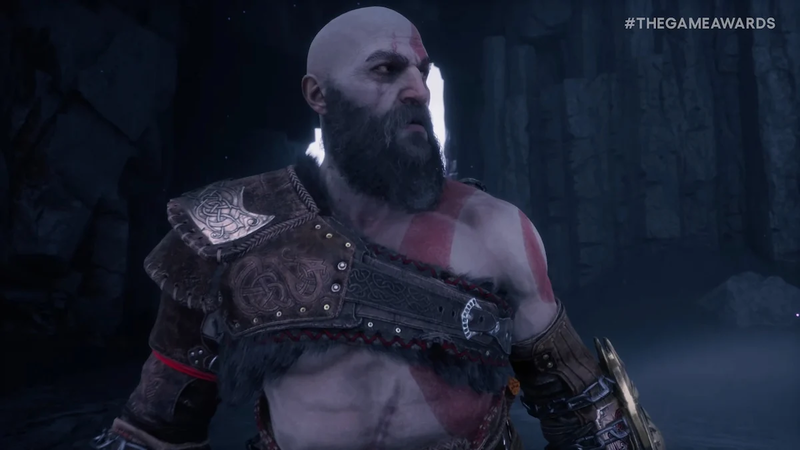
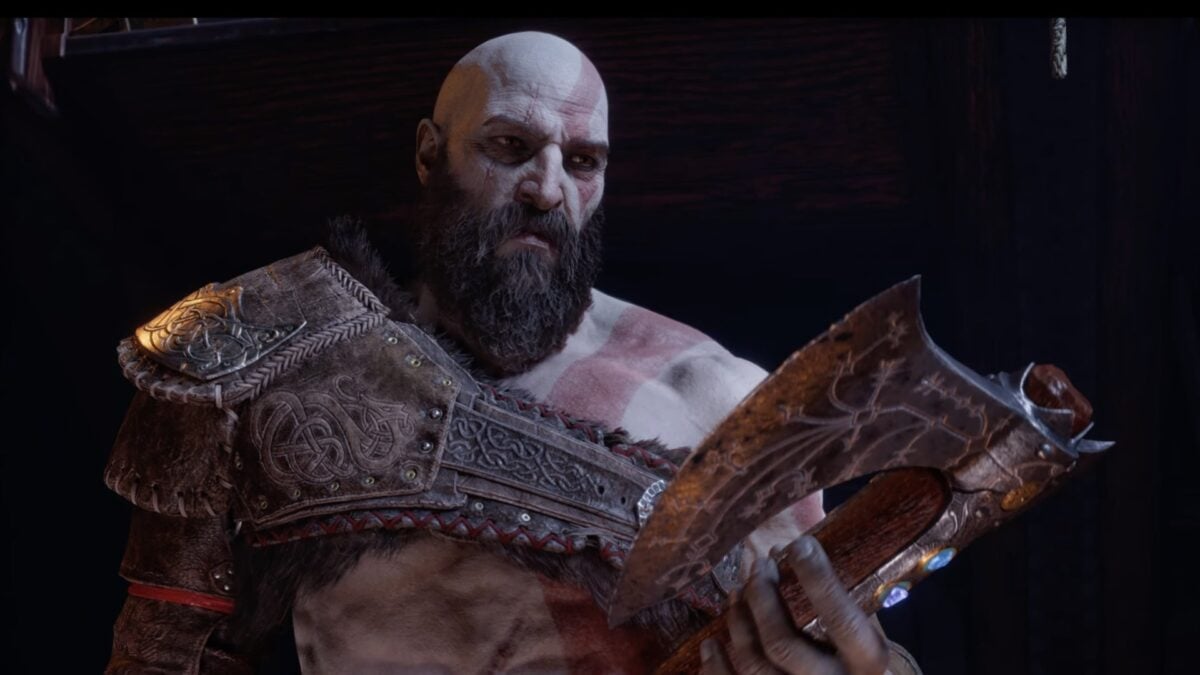
Yaga arrives amid a quiet boom in Slavic and Eastern European folklore across media. Games like The Witcher trilogy and Blacktail have reintroduced Baba Yaga to global audiences, while novels like The Bear and the Nightingale and Winter of the Witch have proven commercial appetite for these myths beyond their cultures of origin. What distinguishes Yaga is its contemporary urban setting — dragging an ancient crone into a modern police procedural forces a collision between old-world justice and institutional failure. That friction mirrors what games have explored for years: God of War Ragnarök juxtaposing Norse myth with fatherhood, Hades reframing Greek underworld politics as family therapy. Folklore works best when it's not preserved in amber but pressed against the present.
The Anti-Hero Double Standard
There's a legitimate question of whether television is ready for a female anti-hero who isn't ultimately redeemed or softened. Male protagonists get to be Tony Soprano or Walter White for seasons without the narrative demanding they become "likable." Female characters historically face a narrower corridor: they can be victims, heroes, or villains — rarely the messy, compelling middle. Sandler's Dexter/Hannibal comparison is aspirational; those shows centered men whose violence was framed as compulsion, precision, even art. If Yaga grants its protagonist the same narrative generosity — the same camera linger, the same internal logic — it pushes the conversation forward. If it flinches, it becomes another "strong female character" who's strong in all the approved ways.
What Comes Next
The October 2026 release date gives AMC+ a long runway to build buzz, and the SDCC trailer drop suggests a marketing push rooted in genre-fluid appeal. Watch for how the series handles its mythology: will Baba Yaga's chicken-legged hut, her mortar and pestle, her role as guardian of the threshold between worlds survive the translation to police procedural? The casting of Carrie-Anne Moss and Hudson Williams in undisclosed roles hints at a broader supernatural ecosystem. For viewers, the real test arrives when the credits roll on episode one — whether they're willing to follow a woman who eats the wicked, protects the vulnerable, and refuses to apologize for either.
Comments (0)
Loading comments…