

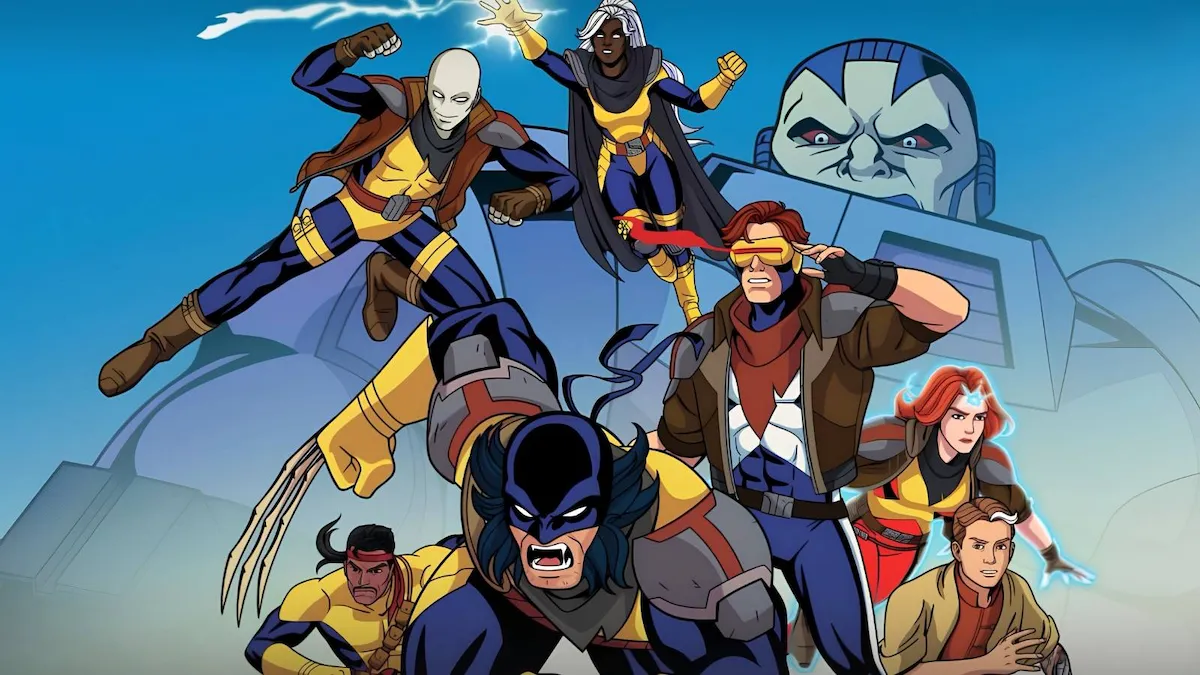
X-Men '97 just pulled its biggest rug-pull yet. Episode 7, "Strange Land, Savage Heart," ends with Cable's X-Force team discovering Apocalypse's body in his Athens lair — a burnt playing card the only calling card. The implication is unmistakable: Gambit, resurrected as the Horseman Death, didn't just survive his transformation. He killed the season's presumed Big Bad before the halfway mark.

The Setup That Made This Land
Season 1 already established that X-Men '97 isn't precious about its cast. Gambit's death in the finale was the gut punch that signaled old rules don't apply. Season 2 doubled down — Episodes 3 and 4, "Rise of Apocalypse," positioned En Sabah Nur as a threat even Xavier couldn't touch. He killed Magneto. He broke the timeline. The show spent four episodes building him as an endpoint villain, the kind you save for a season finale cliffhanger.
Then Episode 7 walks in and treats him like a mid-boss.
Why Gambit as Death Changes the Math
In the comics, Apocalypse's Horseman Death has been Archangel, Wolverine, even Hulk. Gambit wearing the mantle pulls from Peter Milligan and Salvador Larroca's early-2000s run, but the show immediately diverges. Archangel's Death arc in Rick Remender's Uncanny X-Force was defined by tragedy — Warren Worthington fighting his own programming, Psylocke forced to choose between love and duty. Swapping Rogue for Psylocke and Gambit for Archangel isn't just fan service; it's a structural mirror that lets the show explore the same emotional territory with characters who've already carried three seasons of romantic tension.
The burnt card Jubilee finds isn't just evidence. It's a signature. Gambit's kinetic charging cards have been his visual shorthand since the '90s cartoon; seeing one reduced to ash tells you everything about how much power he's wielding now.

The Apocalypse Problem
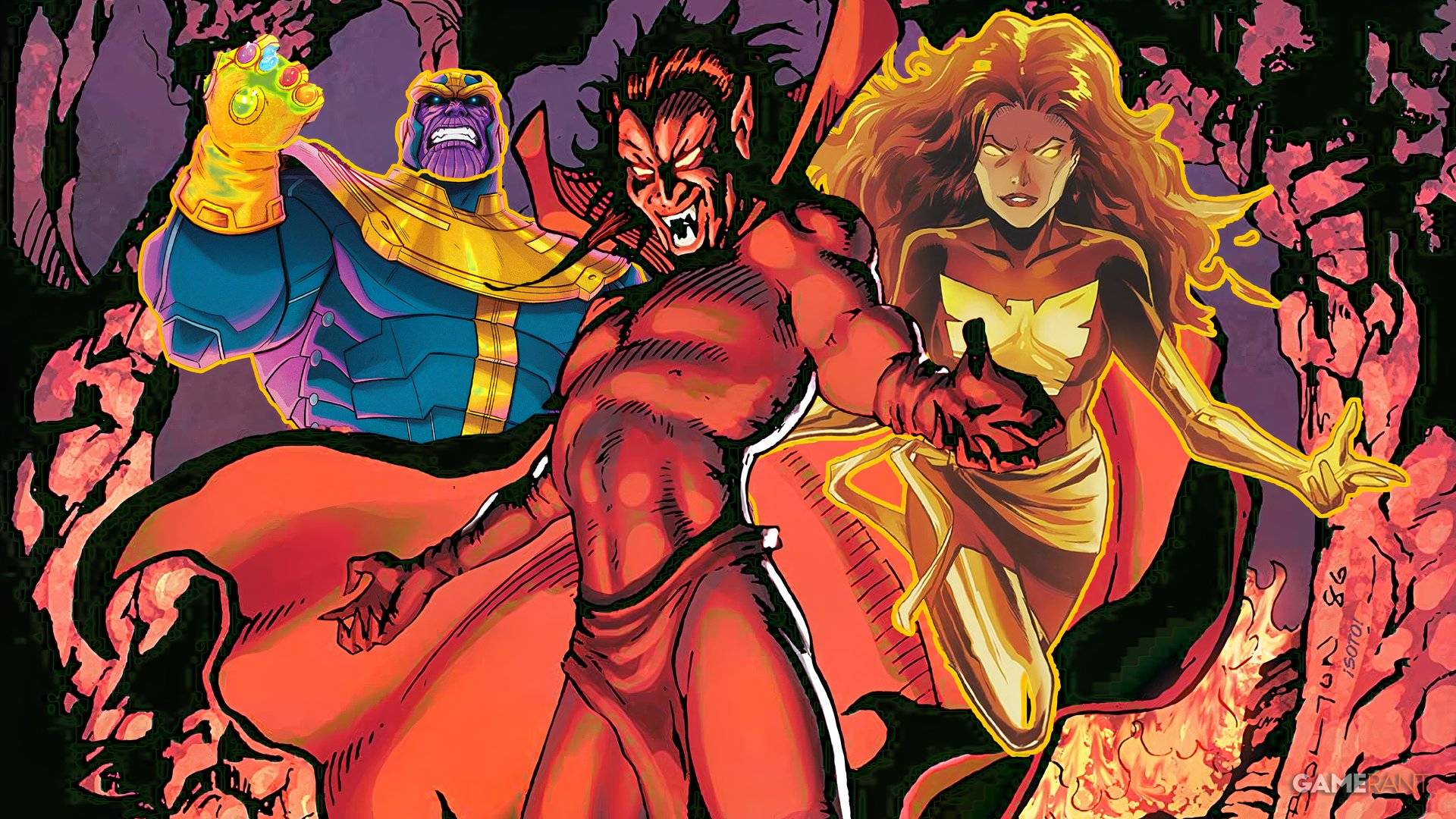
Here's the thing nobody's saying out loud: Apocalypse doesn't stay dead. He's been resurrected by Celestial tech, by his own followers, by timeline shenanigans more times than Jean Grey. The show knows this — it just spent two episodes on his origin as an ancient mutant who cheats death professionally. A burnt card and a corpse in a chair might be the least convincing "permanent death" in superhero media history.
If Apocalypse returns — and he almost certainly will — Gambit killing him once just makes Gambit more dangerous. The student who surpassed the master. The weapon that turned on its maker. That's a stronger villain hook than "ancient mutant wants to cull the weak" ever was.
What This Means for the Endgame
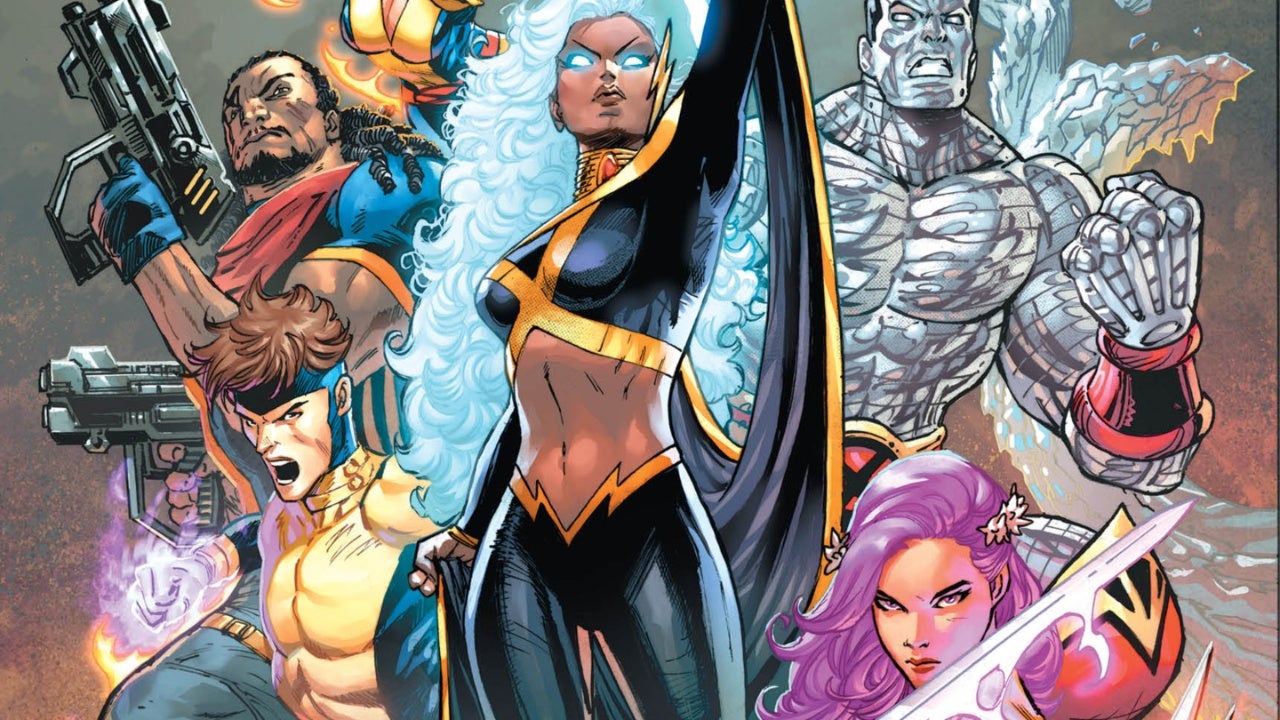
Two episodes left. The board is now: X-Men (Cyclops, Jean, Wolverine, Storm), X-Force (Cable, Jubilee, presumably others), and X-Factor (who've been name-dropped but not fully assembled). The comics' X-Cutioner's Song crossover forced exactly this three-way alliance against a common threat. If the show adapts even the broad strokes, we're looking at a finale that operates on crossover-event scale — something the '97 revival has earned through patient setup.
Rogue's reaction is the emotional anchor. She's already lost Gambit once. Finding him again, only to realize he's been weaponized against everything they believe in, is the kind of cruel irony this creative team specializes in.
The Skeptic's Corner
Can the show stick the landing? Uncanny X-Force had 35 issues to unpack Archangel's corruption. X-Men '97 has ~45 minutes. Compressing a redemption-then-sacrifice arc into two episodes risks rushing the emotional beats that make the comics version resonate. There's also the question of whether killing Apocalypse this early deflates the season's tension or successfully pivots to something more personal. The show has earned benefit of the doubt, but the degree of difficulty just spiked.
What Comes Next
Watch for the X-Factor roster reveal — they've been the season's invisible third faction. Watch for whether Apocalypse's followers (the Clan Akkaba, the Horsemen infrastructure) treat Gambit as a usurper or the new heir. And watch Rogue. She's the only one who can reach him, which means she's the only one who has to decide whether reaching him is worth the cost.
X-Men '97 just traded a cosmic threat for a personal one. That's almost always the better story.


Comments (0)
Loading comments…